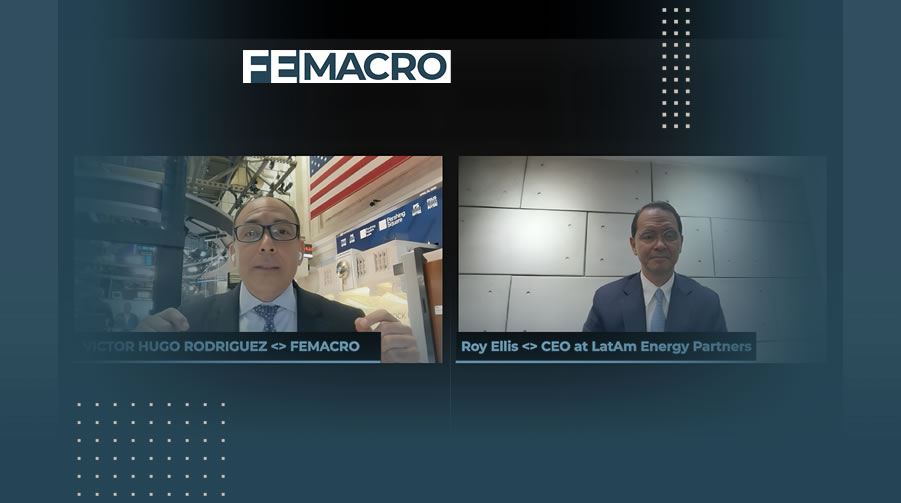
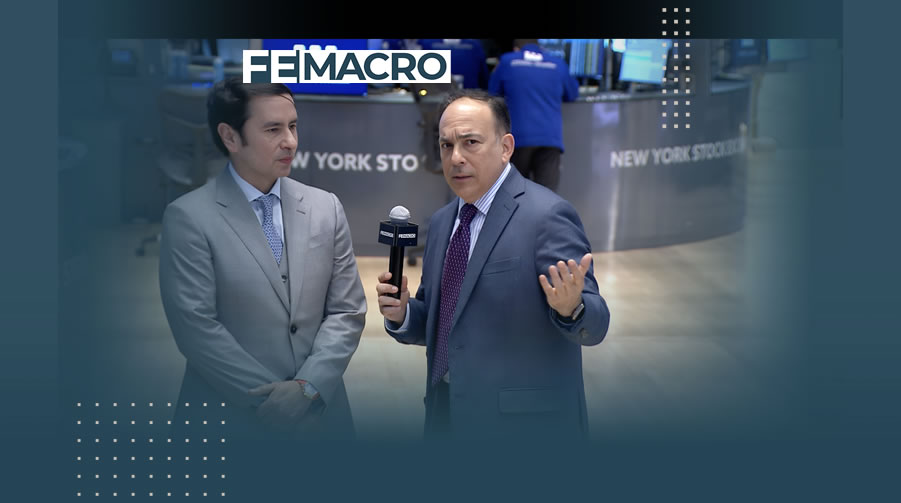
The interview takes place on the floor of the New York Stock Exchange on January 20, 2026, where Daniel Faría discusses the current state of digital assets, artificial intelligence, and the growing convergence between both sectors. Faría emphasizes that market volatility, including Bitcoin’s drop below $90,000 on that day, should be viewed as part of the natural cycle of crypto markets. With more than 14 years of experience in the space, he explains that short-term price movements rarely concern him, unless driven by government policies that actively oppose crypto adoption. In contrast, he remains confident when political leadership and global institutions continue to integrate crypto into their long-term agendas.
Faría outlines three key factors influencing Bitcoin’s recent price action: tariff-related comments from the U.S. president, capital outflows from Bitcoin ETFs, and liquidation activity driven by major market makers such as Binance and Wintermute. Despite these pressures, he highlights MicroStrategy’s announcement of a $2 billion purchase of approximately 22,000 bitcoins as a strong signal of institutional confidence. This move, in his view, reinforces the long-term bullish case for Bitcoin and for alternative cryptocurrencies that offer real-world applications.
The conversation then shifts toward decentralized artificial intelligence. Faría explains that his company, Flora Growth, now listed on NASDAQ, is evolving into an investment company with a strong focus on AI-driven sectors. One of its key roles is acting as the treasury company for 0G (Zero Gravity), a leading decentralized AI network. He argues that centralized AI models are becoming increasingly expensive and restricted, limiting access for smaller businesses and governments. Decentralized AI networks like 0G aim to lower costs, bypass geopolitical restrictions, and extend the useful life of existing hardware such as older Nvidia GPUs.
Looking ahead, Faría projects annual growth of 20–25% in decentralized AI, driven by new applications across finance, banking, travel, government, and data security. He highlights sovereignty as a major emerging trend, noting that governments will increasingly demand AI solutions that keep sensitive data within national borders. As part of Flora’s rebranding, the company plans to deploy capital across multiple sectors impacted by artificial intelligence, with the overarching goal of building long-term shareholder value.