Every episode.
CH 02
Leaders at the Bell with José Torres, Senior Economist at Interactive Brokers, Jun 16, 2026
CH 02
Leaders at the Bell with Alejandro Cardona , CEO at Creando Riqueza, June 16, 2026
CH 02
Leaders at the Bell with David Stemerman, CEO at Centerbook and Omer Cedar, CEO at Omega Point AI, Jun 10, 2026
CH 02
Leaders at the Bell with Eduardo Borberg-Mendoza, Managing Director, GenTrust, June 10, 2026
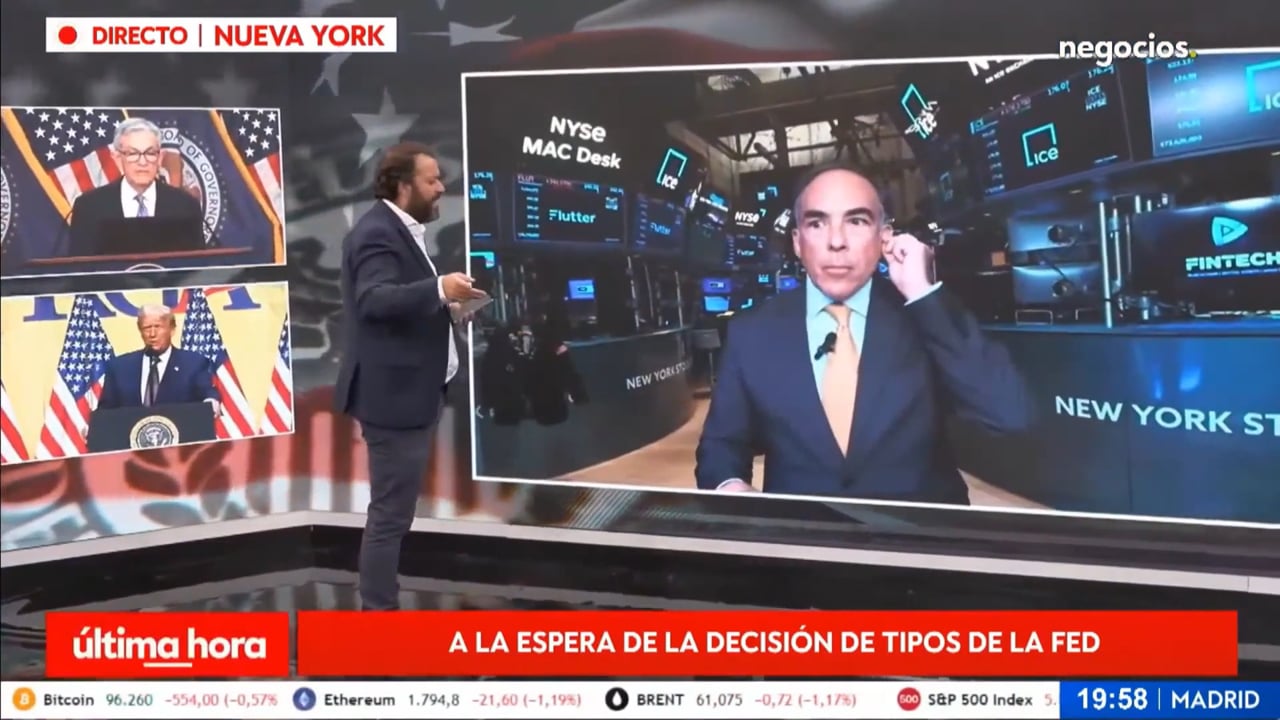
CH 06
FIRST (Second Part) "EL CIERRE DE WALL STREET" from NYSE FLOOR
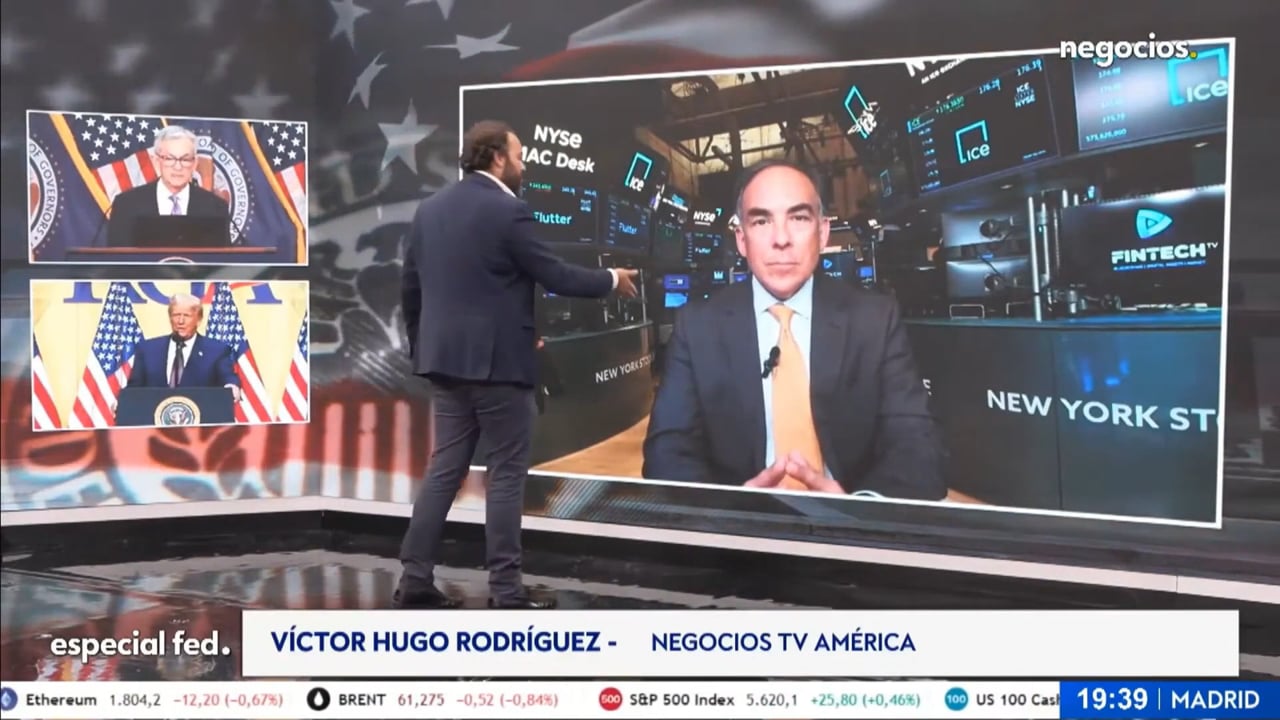
CH 06
"EL CIERRE DE WALL STREET" from NYSE FLOOR
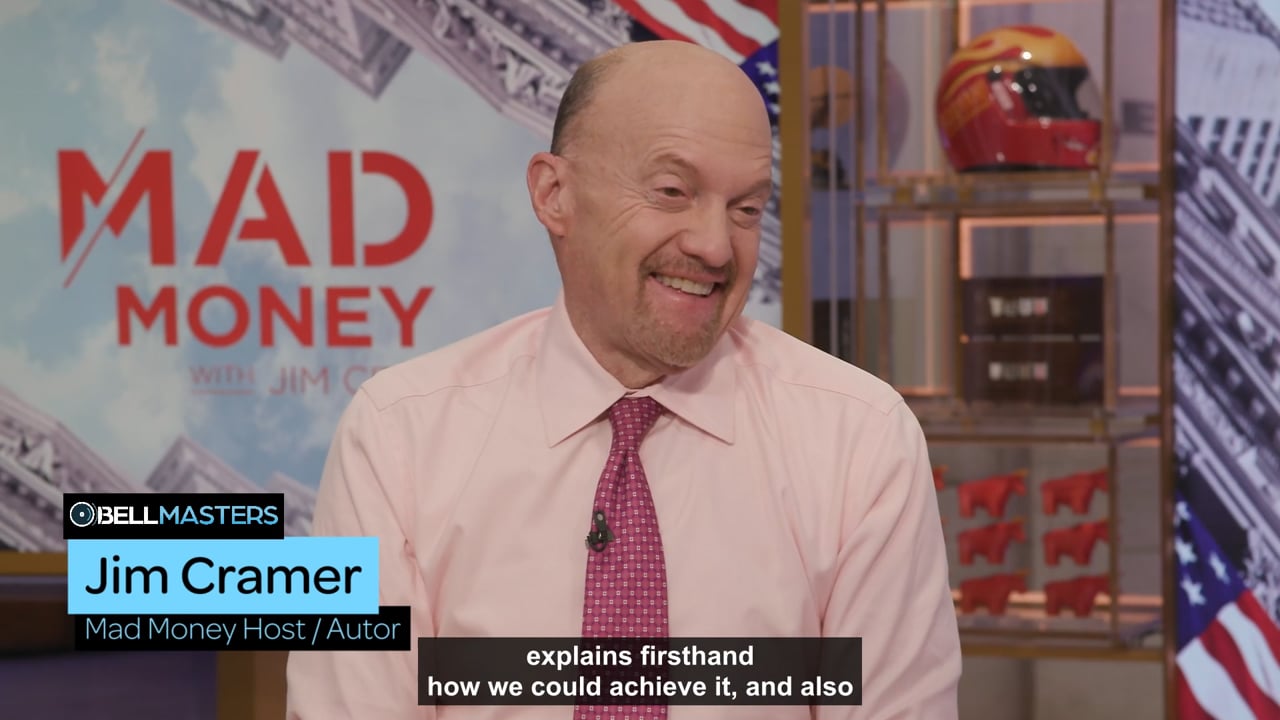
CH 03
JIM CRAMER PROMO
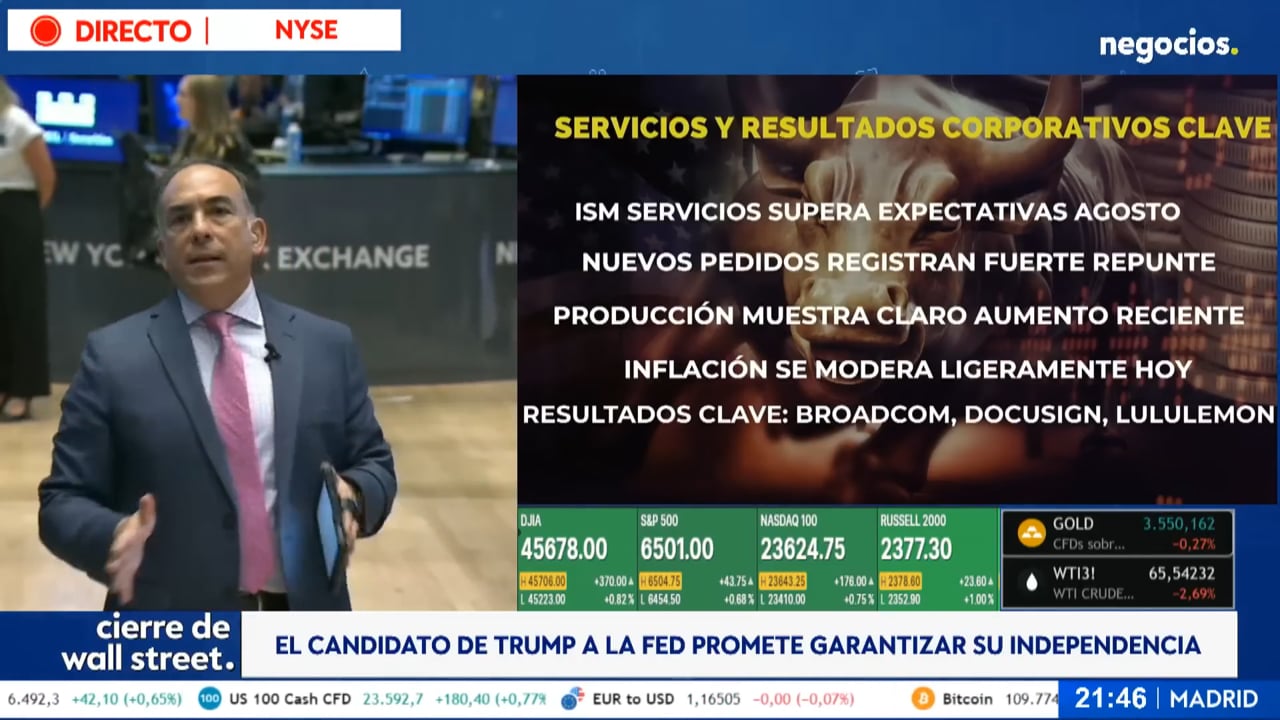
CH 06
CIERRE DE WALL STREET WALL STREET SORPRENDE CON AVANCES MODERADOS ANTES DEL INFORME LABORAL DE EEUU
CH 01
14-NYSE (Bilingue) Recap = Resumen Semanal = JUNE 11, 2026
CH 01
13-NYSE (Bilingue) Recap = Resumen Semanal = JUNE 04, 2026
CH 02
Leaders at the Bell with Michael Heinrich, CEO, 0G Labs, May 04, 2026
CH 02
Leaders at the Bell with Omer Cedar, CEO, Omega Point AI, April 22, 2026
CH 02
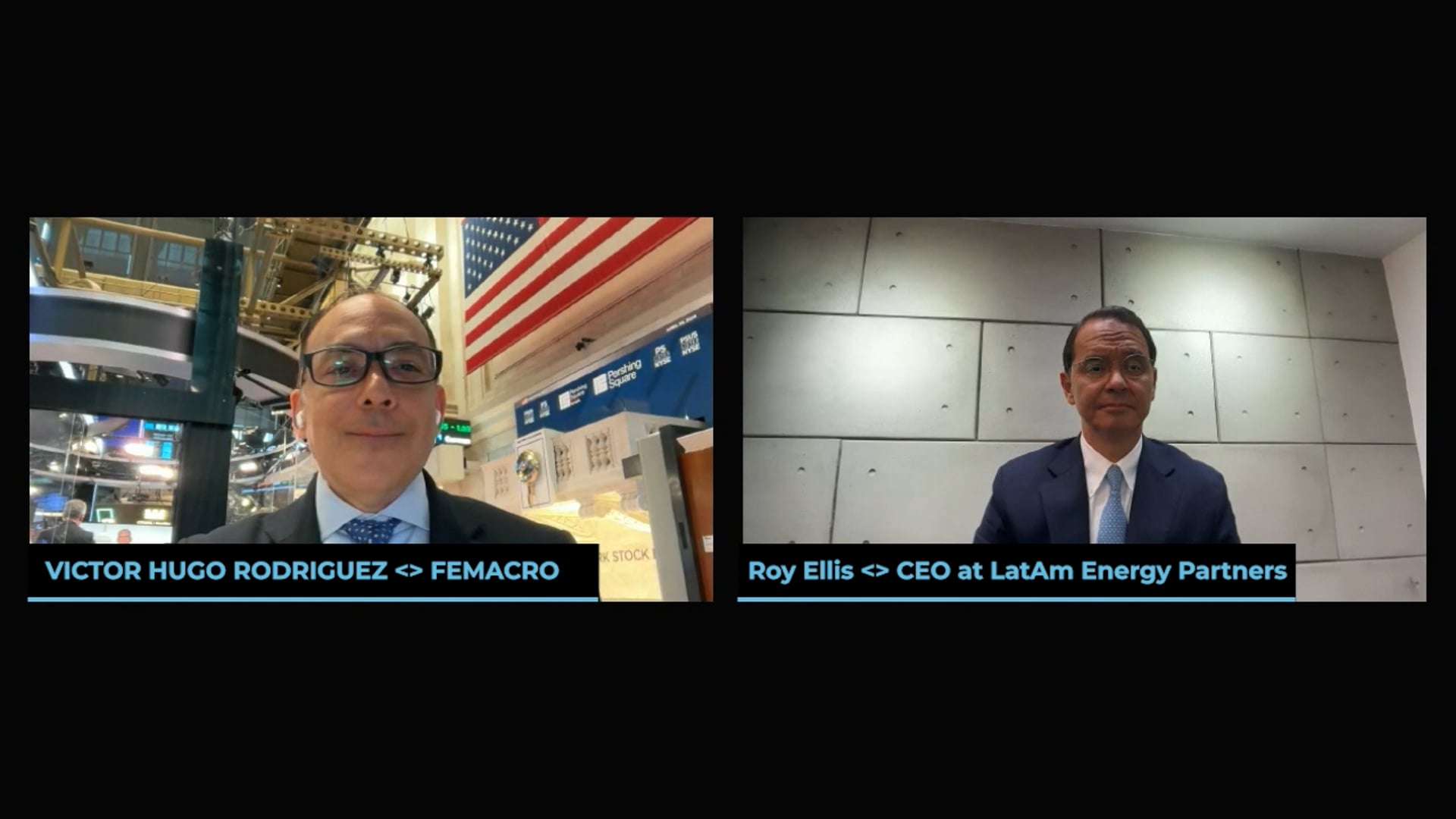
Leaders at the Bell with Roy Ellis, CEO, LatAm Energy Partners, April 29, 2026
CH 02
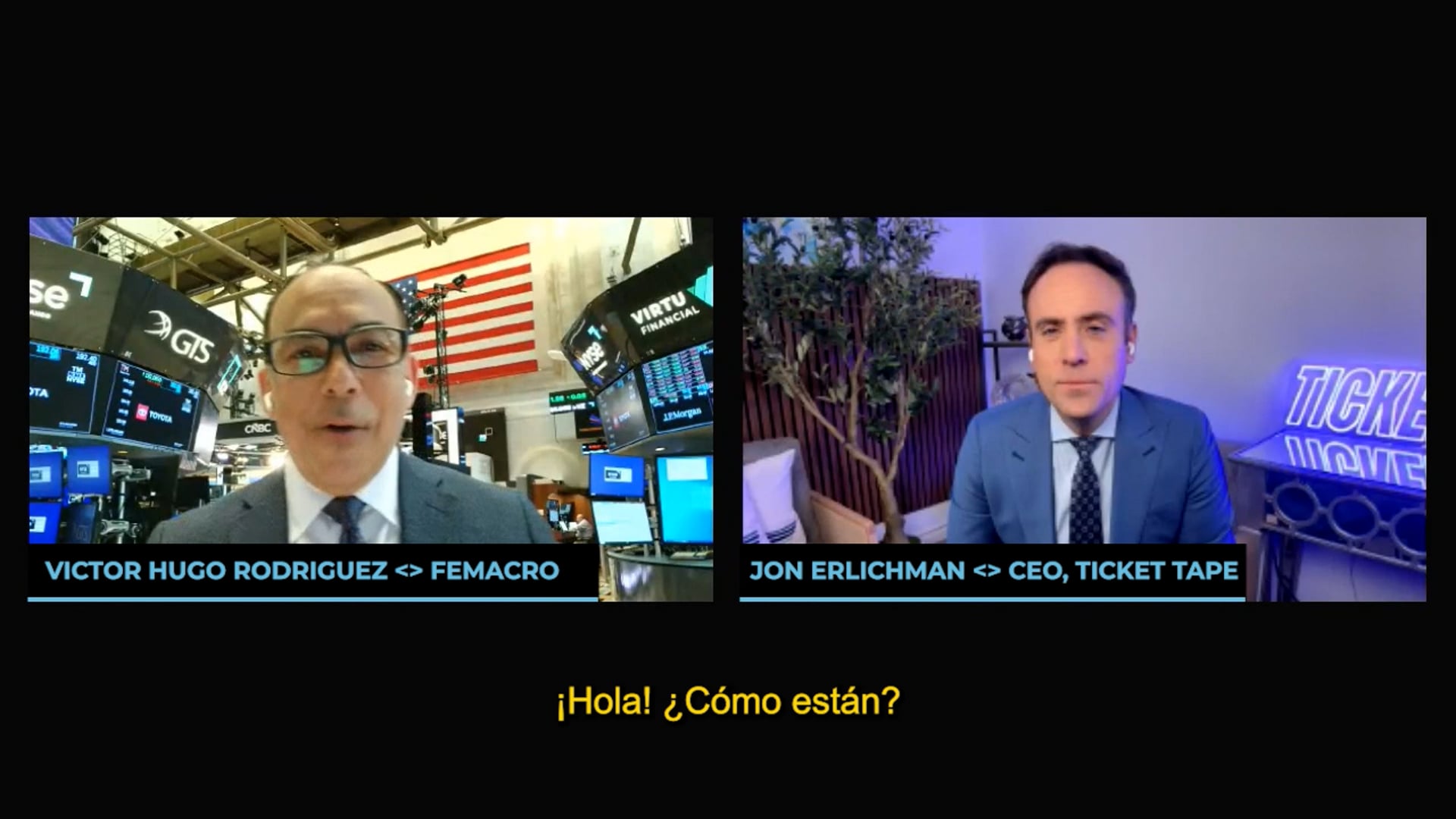
Leaders at the Bell with Jon Erlichman, CEO Ticket Tape, April 27, 2026
CH 02
Leaders at the Bell with Daniel Faria, CEO, Zero Stack, April 24, 2026
CH 02
Leaders at the Bell with Hugo Cancio, CEO Fuego Enterprises, April 24, 2026
CH 02
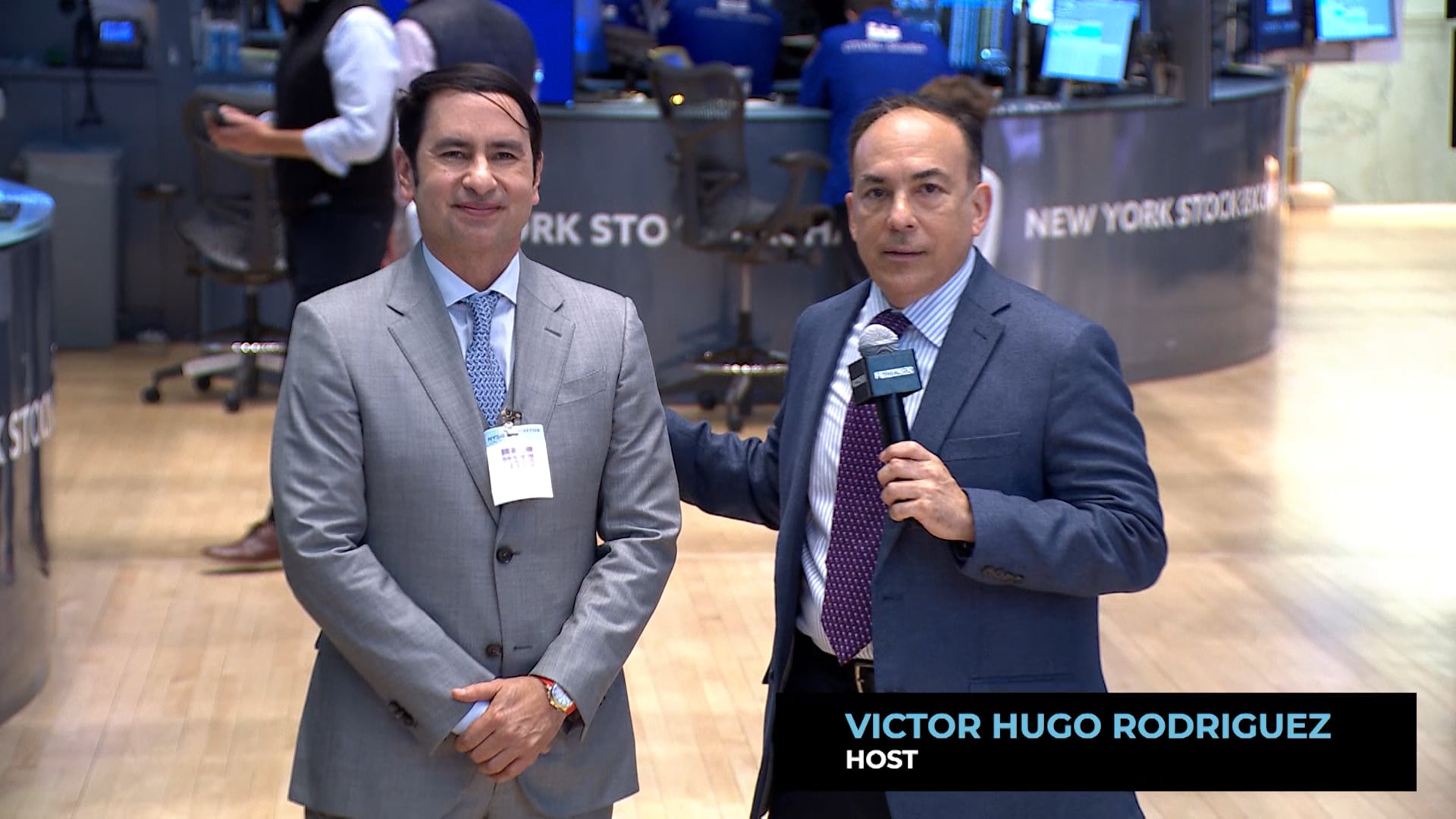
Leaders at the Bell with Alejandro Cardona, CEO, Seminario Creando Riqueza, April 23, 2026
CH 02
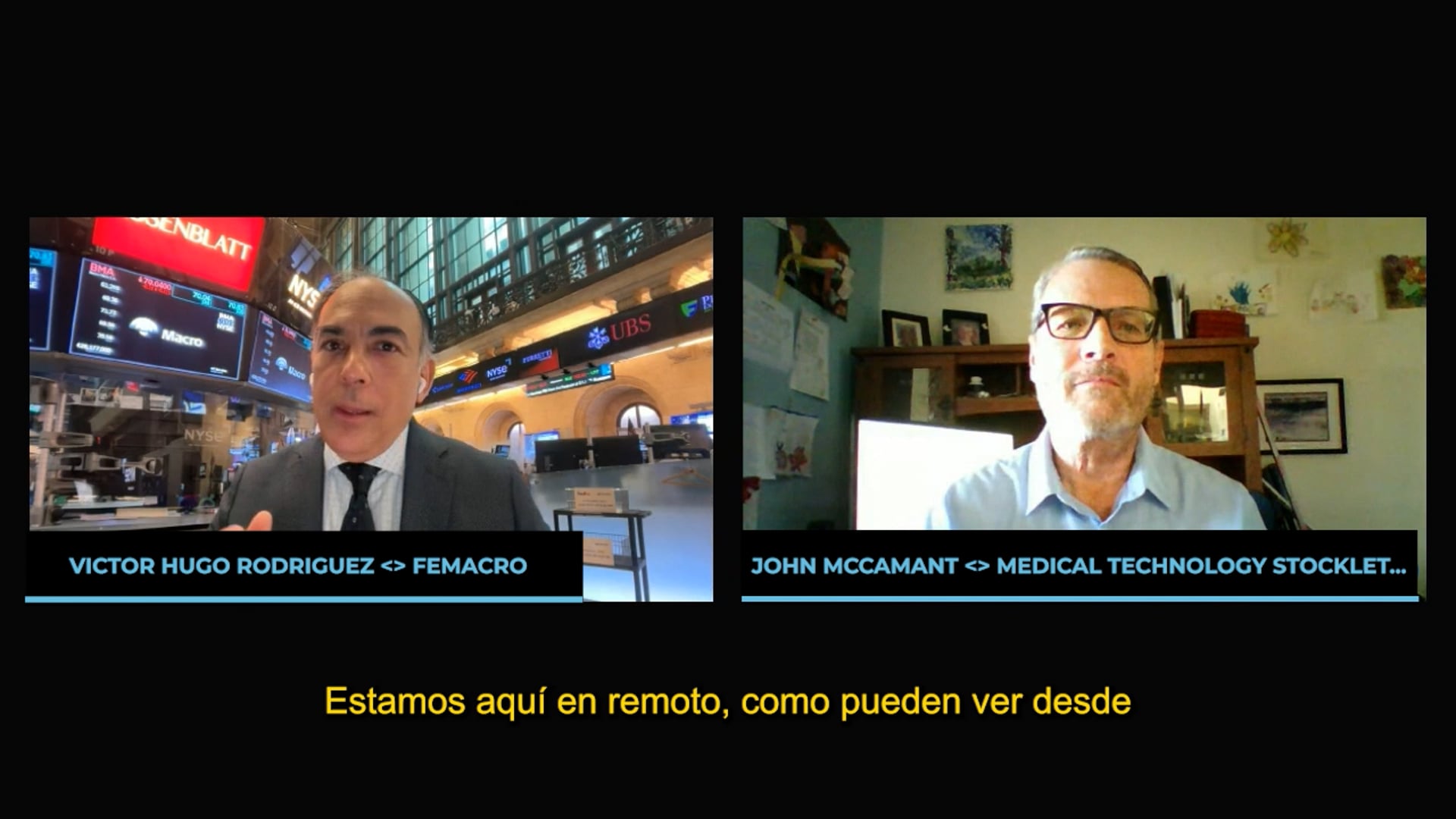
Leaders at the Bell with John McCamant, Medical Tech StockLeter, March 24, 2026
CH 02
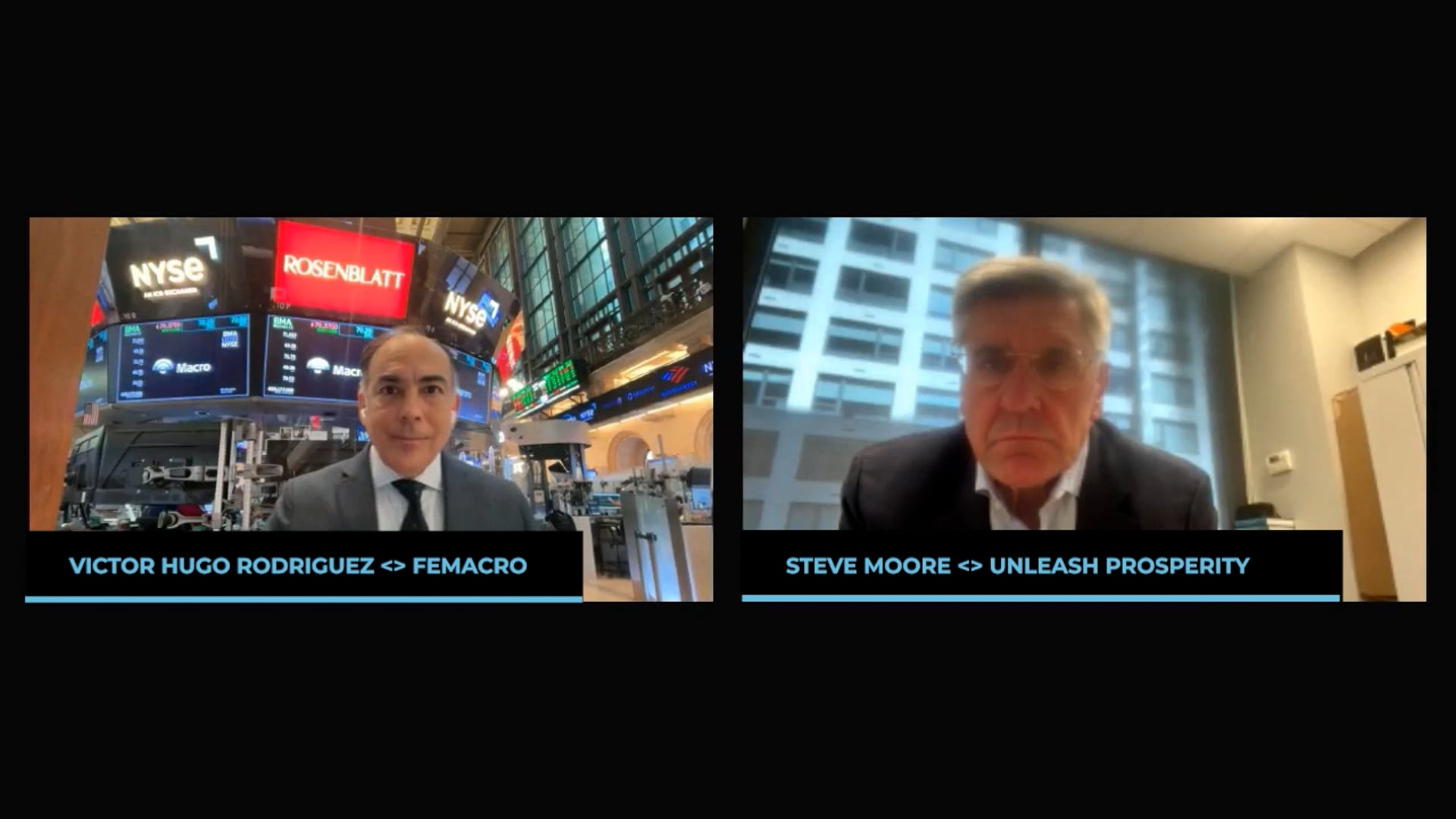
Leaders at the Bell with Steve Moore, Unleash Property, March 24, 2026
CH 02
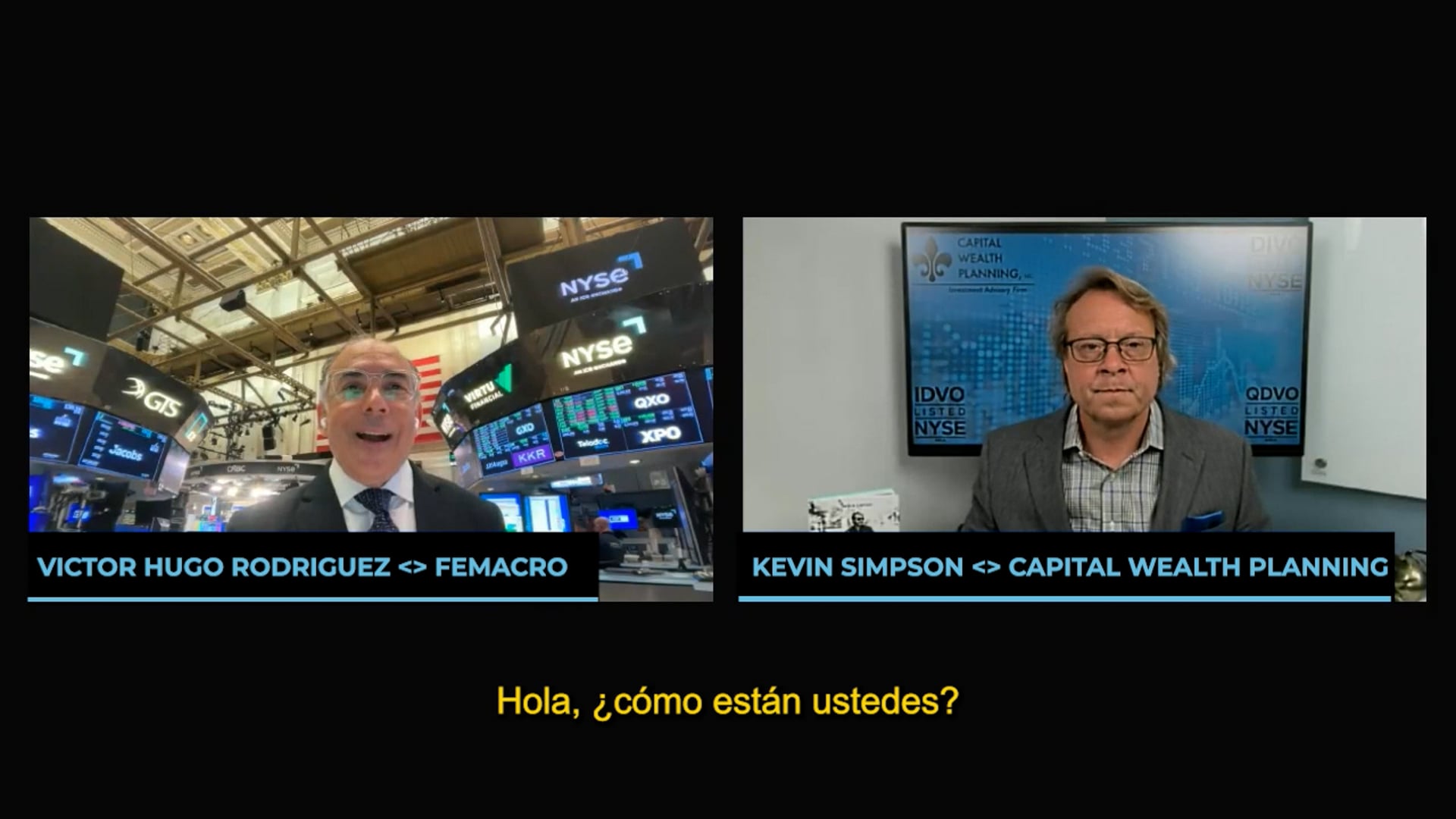
Leaders at the Bell with Kevin Simpson, Capital Wealth Planning, March 23, 2026
CH 02
Leaders at the Bell with Dan Gramza, Gramza Capital Management, March 24, 2026
CH 02
Leaders at the Bell with Luke Lloyd, Lloyd Financial Group, March 25, 2026
CH 02
Leaders at the Bell with Louis Navallier, Navallier and Associates, March 25, 2026
CH 02
Leaders at the Bell with Jeff Hirsch, Stock Trading Almanac, March 23, 2026
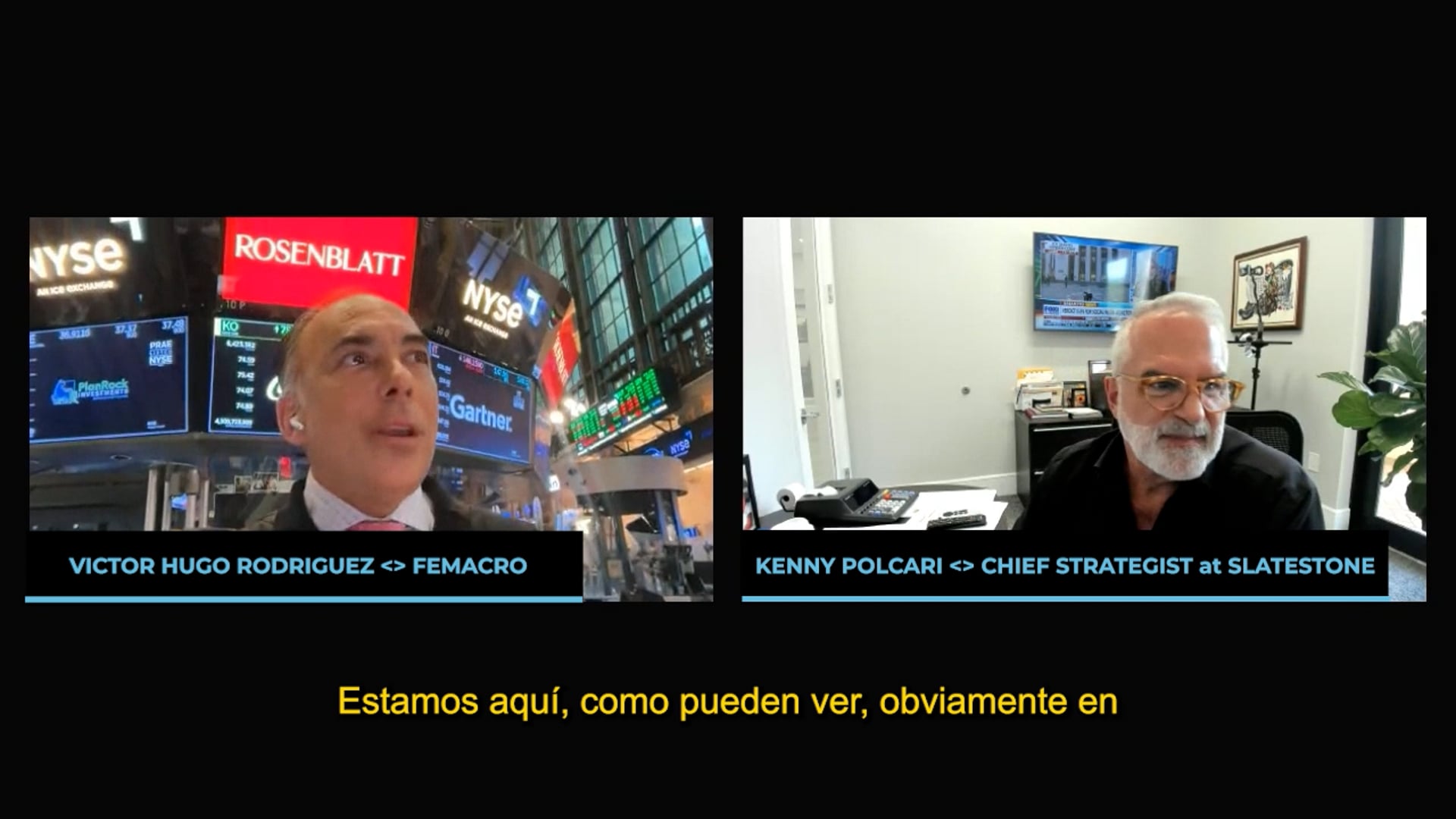
CH 02
Leaders at the Bell with Kenny Polcari, SlateStone, March 25, 2026
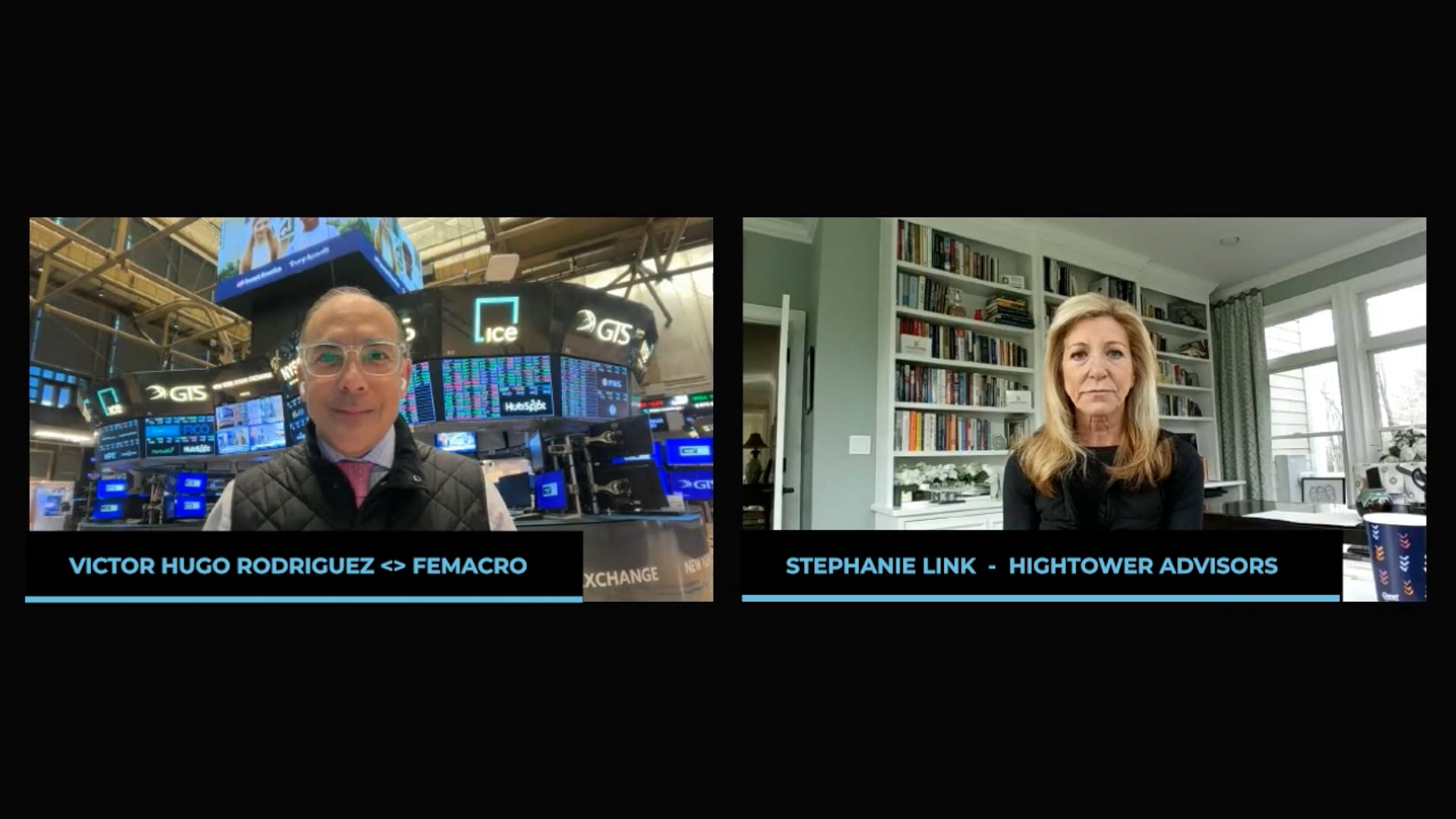
CH 02
Leaders at the Bell with Stephanie Link, Hightower Advisors, March 25, 2026
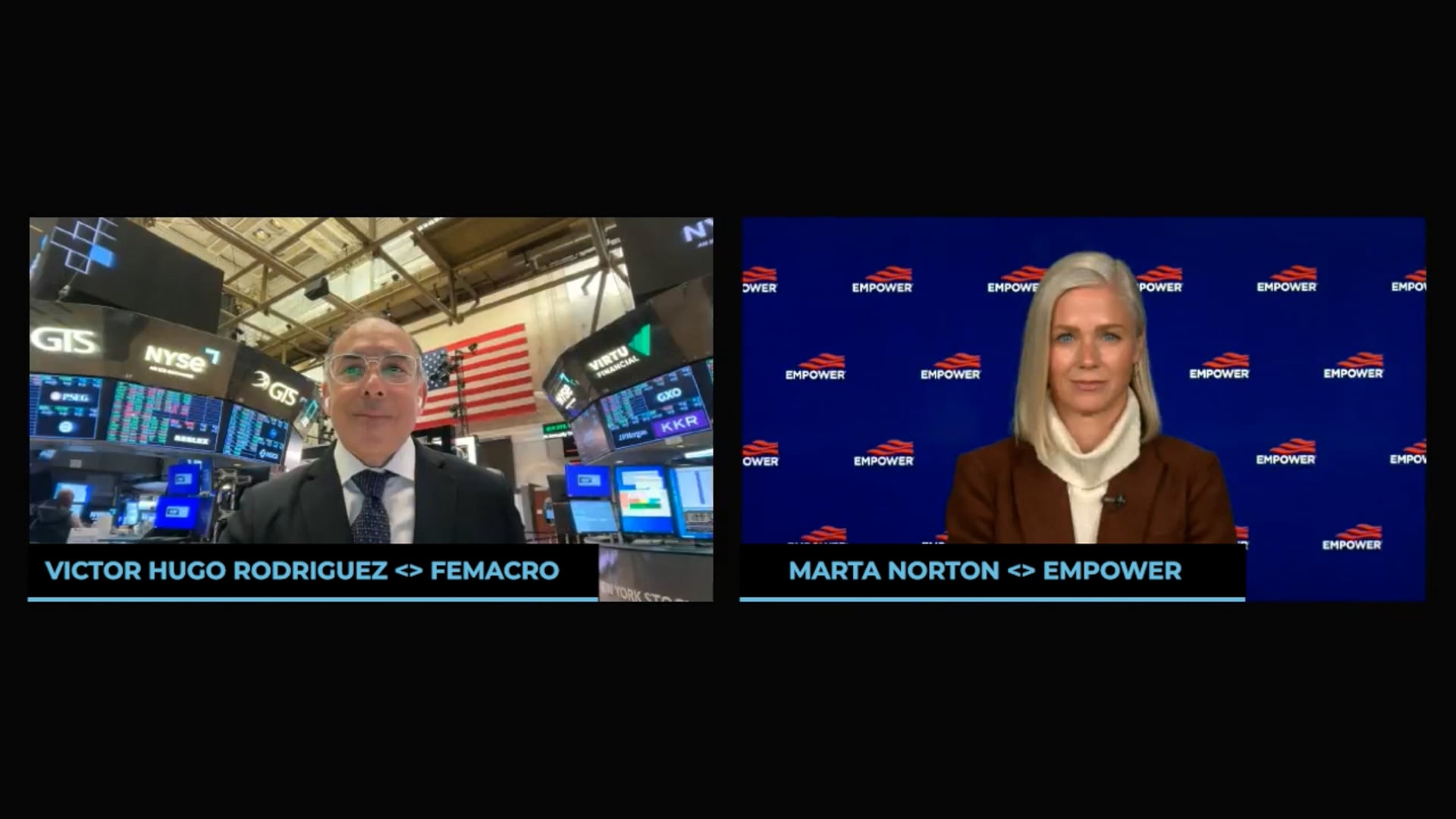
CH 02
Leaders at the Bell with Marta Norton, Empower, March 23, 2026
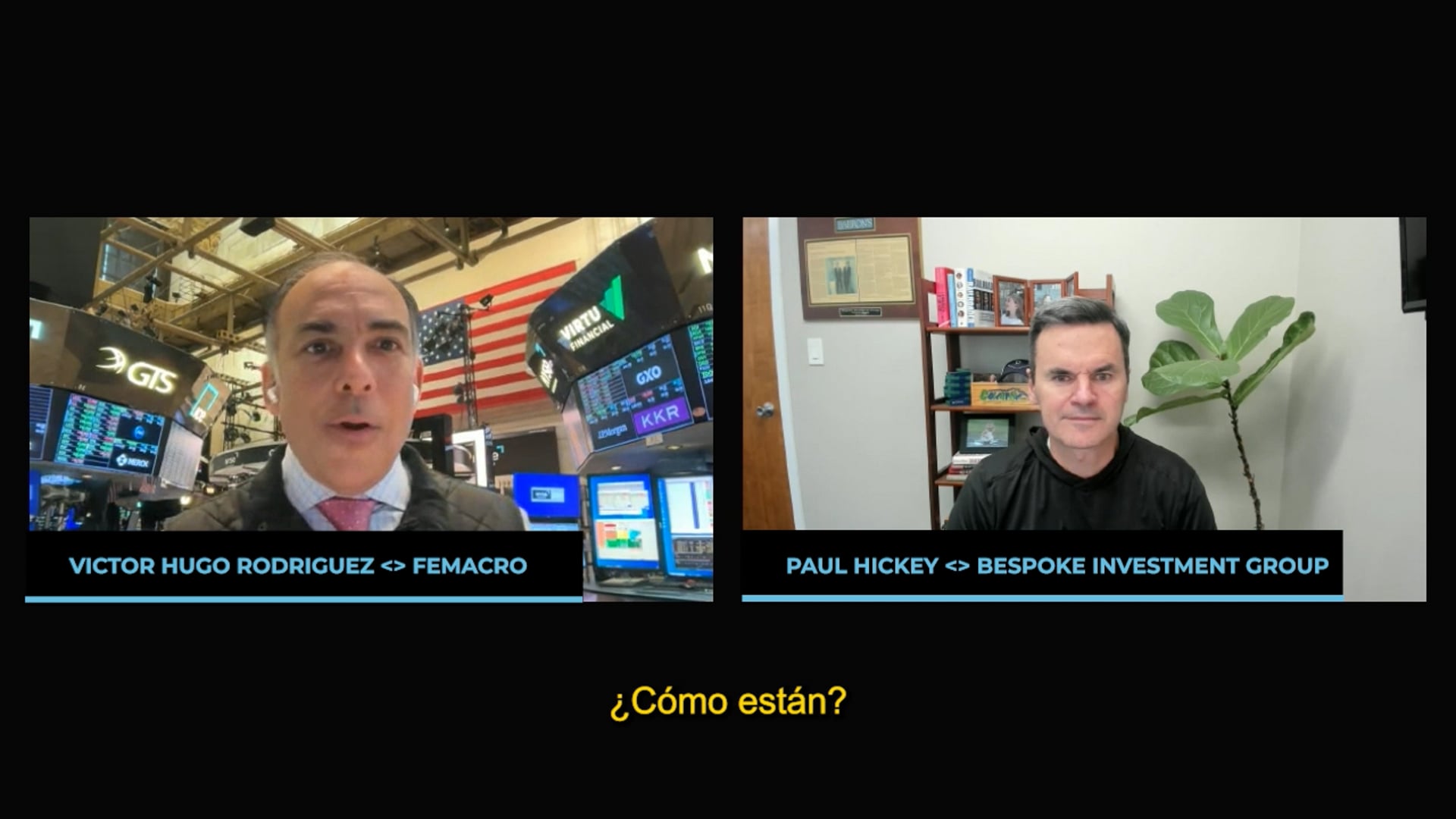
CH 02
Leaders at the Bell with Paul Hickey, Bespoke Investment Group, March 25, 2026
CH 02
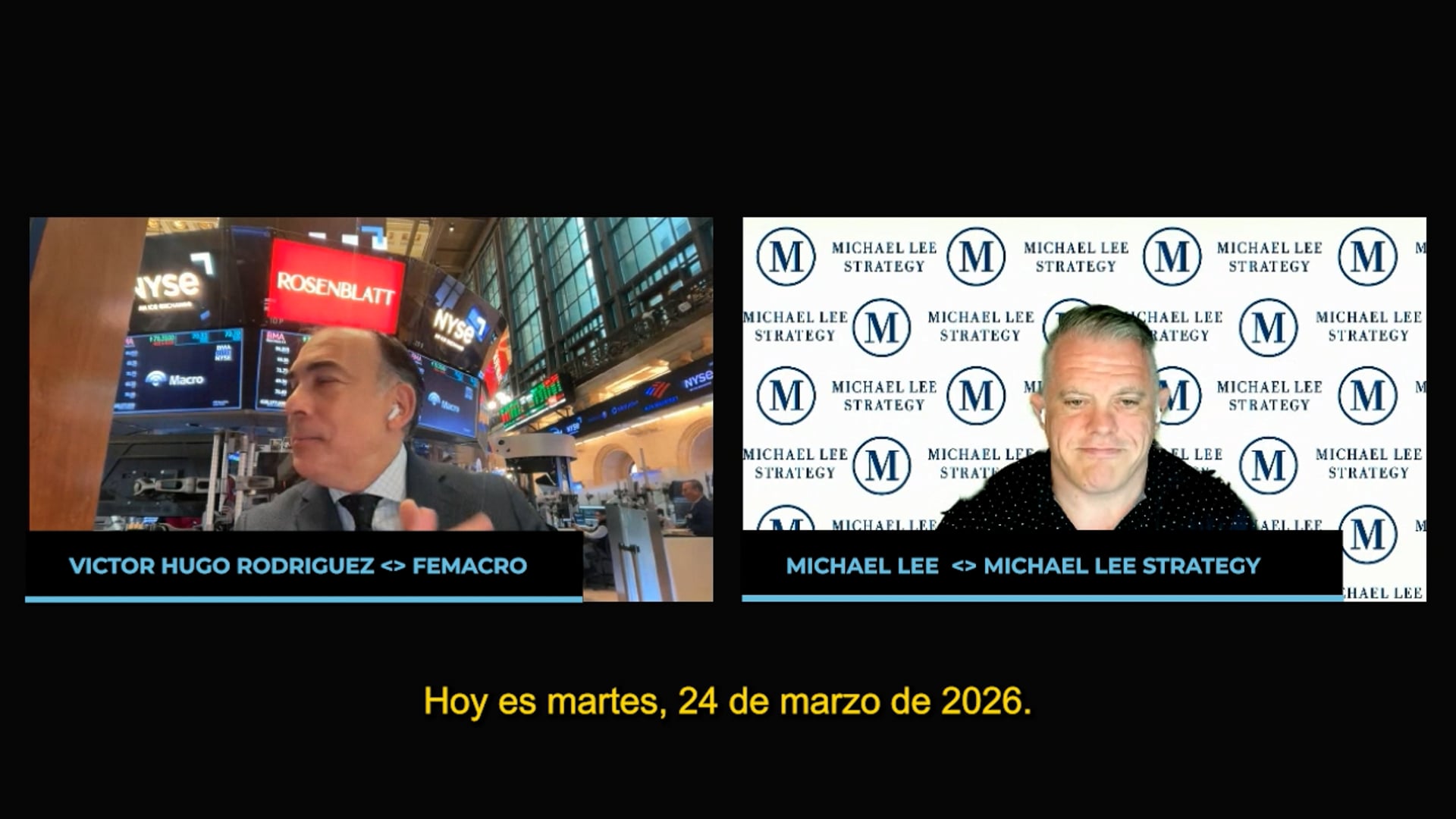
Leaders at the Bell with Michael Lee, Michael Lee Strategy, March 24, 2026
CH 01
12-NYSE (Bilingue) Recap = Resumen Semanal = MAR 20, 2025
CH 01
11-NYSE (Bilingue) Recap = Resumen Semanal = MAR 05, 2025
CH 01
9-NYSE (Bilingue) Recap = Resumen Semanal = FEB 05, 2025
CH 01
10-NYSE (Bilingue) Recap = Resumen Semanal = FEB 19, 2025
CH 02
Leaders at the Bell with Daniel Faria, CEO at ZeroStack.AI, March 16, 2026
CH 02
Leaders at the Bell with Alejandro Cardona, CEO at Creando Riqueza, March 05, 2026
CH 02
Leaders at the Bell with Alejandro Cardona, CEO at Creando Riqueza, March 24, 2026
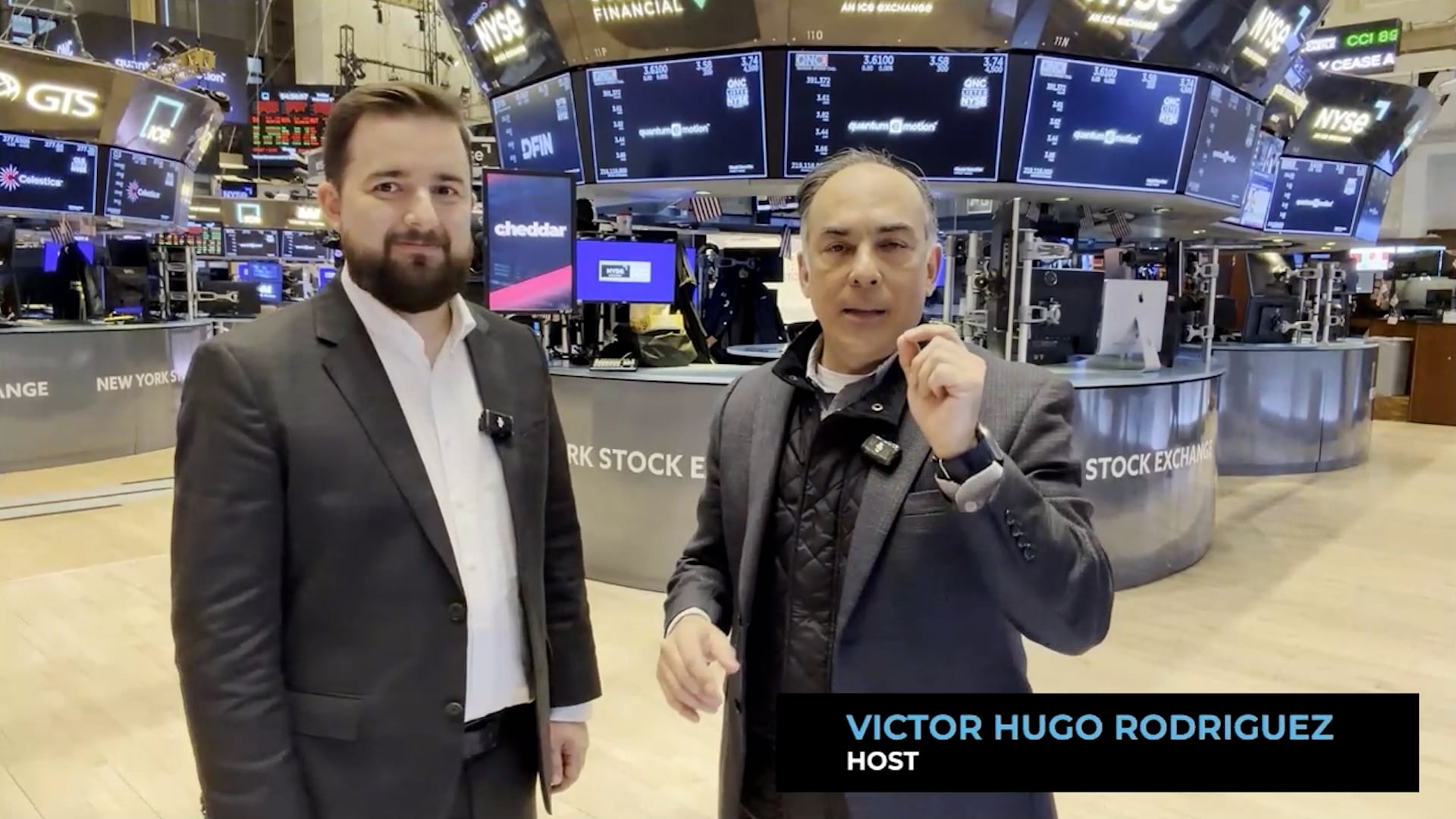
CH 02
Leaders at the Bell with Daniel Faria, CEO at ZeroStack.AI, Feb 27, 2026
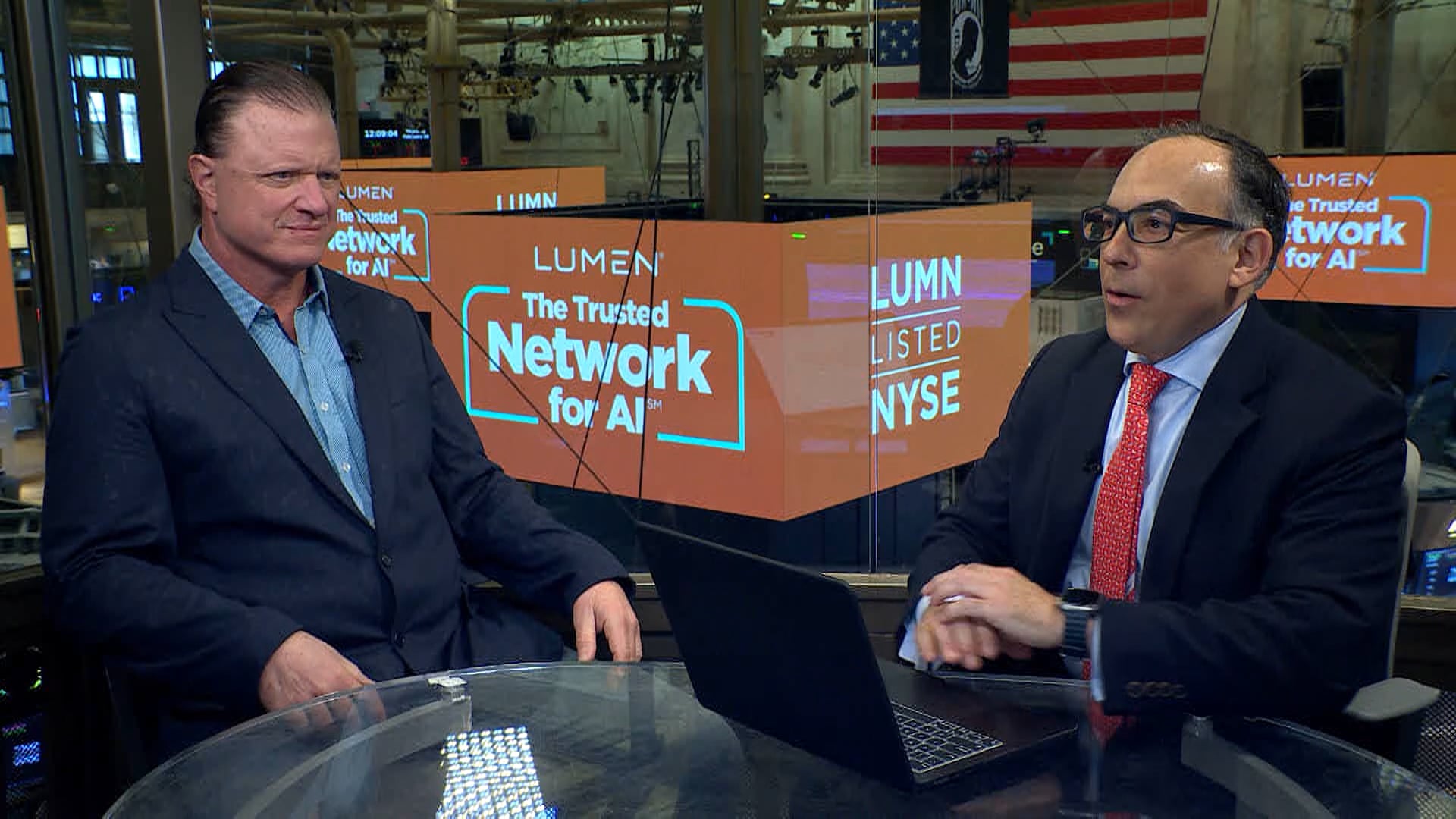
CH 02
Leaders at the Bell with PJ "Papi" DiNuzzo, Mindset Manifestation Mastermind, Feb 26, 2026
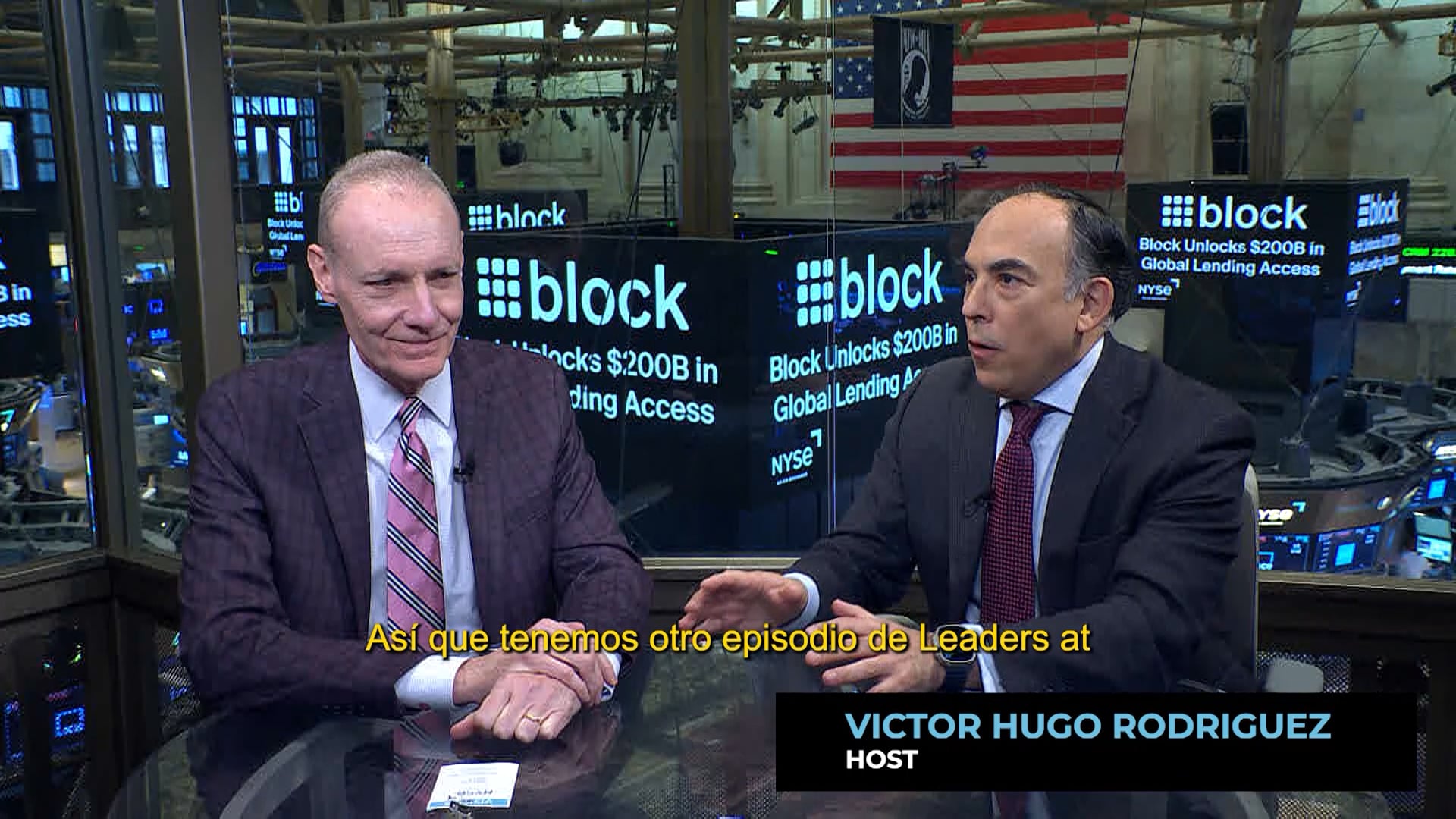
CH 02
Leaders at the Bell with William Kelly, Former CEO at CAIA.org, Jan 28, 2026
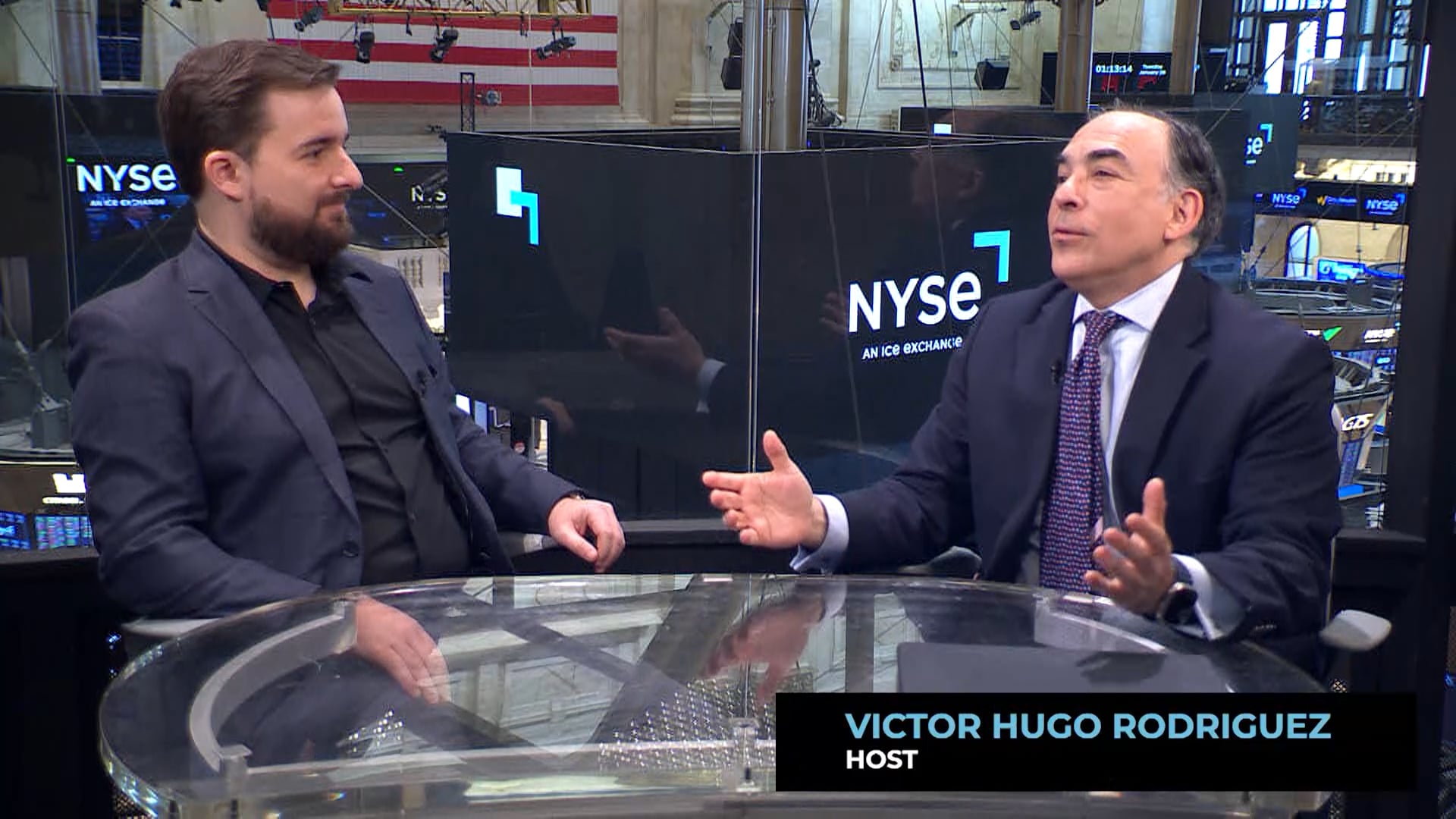
CH 02
Leaders at the Bell with Daniel Faria, CEO at Flora Growth, Jan 20, 2026
CH 01
8-NYSE (Bilingue) Recap = Resumen Semanal = JAN 22, 2025
CH 01
7-NYSE (Bilingue) Recap = Resumen Semanal = JAN 16, 2025
CH 02
Leaders at the Bell with Daniel Osorio, CEO at Andean Capital Management, Jan 15, 2026
CH 02
Leaders at the Bell with Steve Alain Lawrence, CIO at Balfour Capital Group, Jan 14, 2026
CH 01
6-NYSE (Bilingue) Recap = Resumen Semanal = DEC 19, 2025
CH 02
Leaders at the Bell with Darius Dale, CEO at 42 Macro , Dec 10, 2025
CH 02
Leaders at the Bell with Jim Lebenthal, Chief Market Strategist Cerity Partners, Dec 03, 2025
CH 02
Leaders at the Bell with Ron Geffner, Partner at Sadis Goldberg, Dec 08, 2025
CH 01
3-NYSE (Bilingue) Recap = Resumen Semanal = NOV 27, 2025
CH 01
4-NYSE (Bilingue) Recap = Resumen Semanal = Dec 04, 2025
CH 01
5-NYSE (Bilingue) Recap = Resumen Semanal = DEC 11, 2025
CH 02
Leaders at the Bell with Steve Alain Lawrence, CIO at Balfour Capital Group, Dec 05, 2025
CH 02
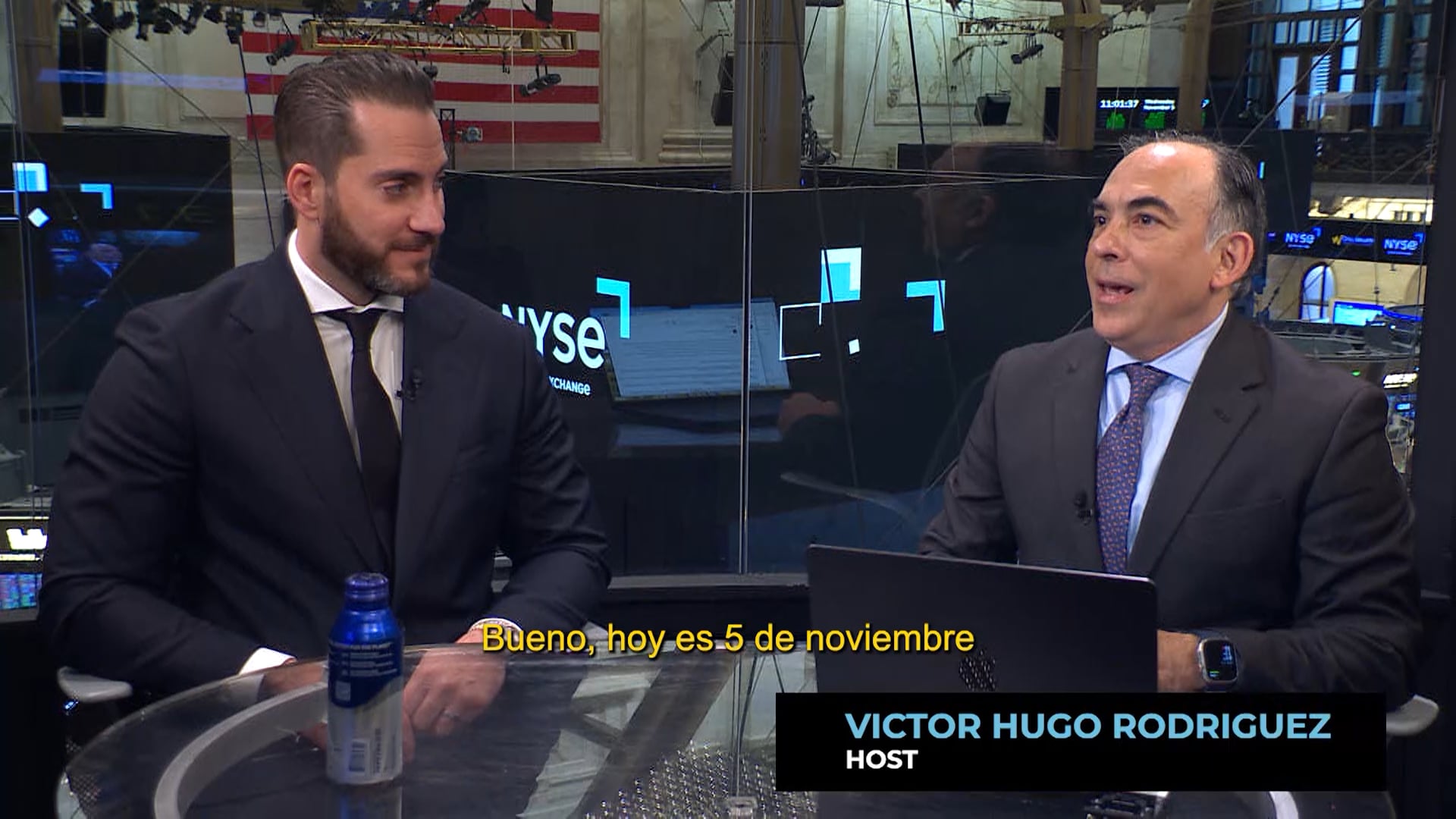
Leaders at the Bell with Asher Mellul, CEO at American Claim Capital, Nov 05, 2025
CH 02
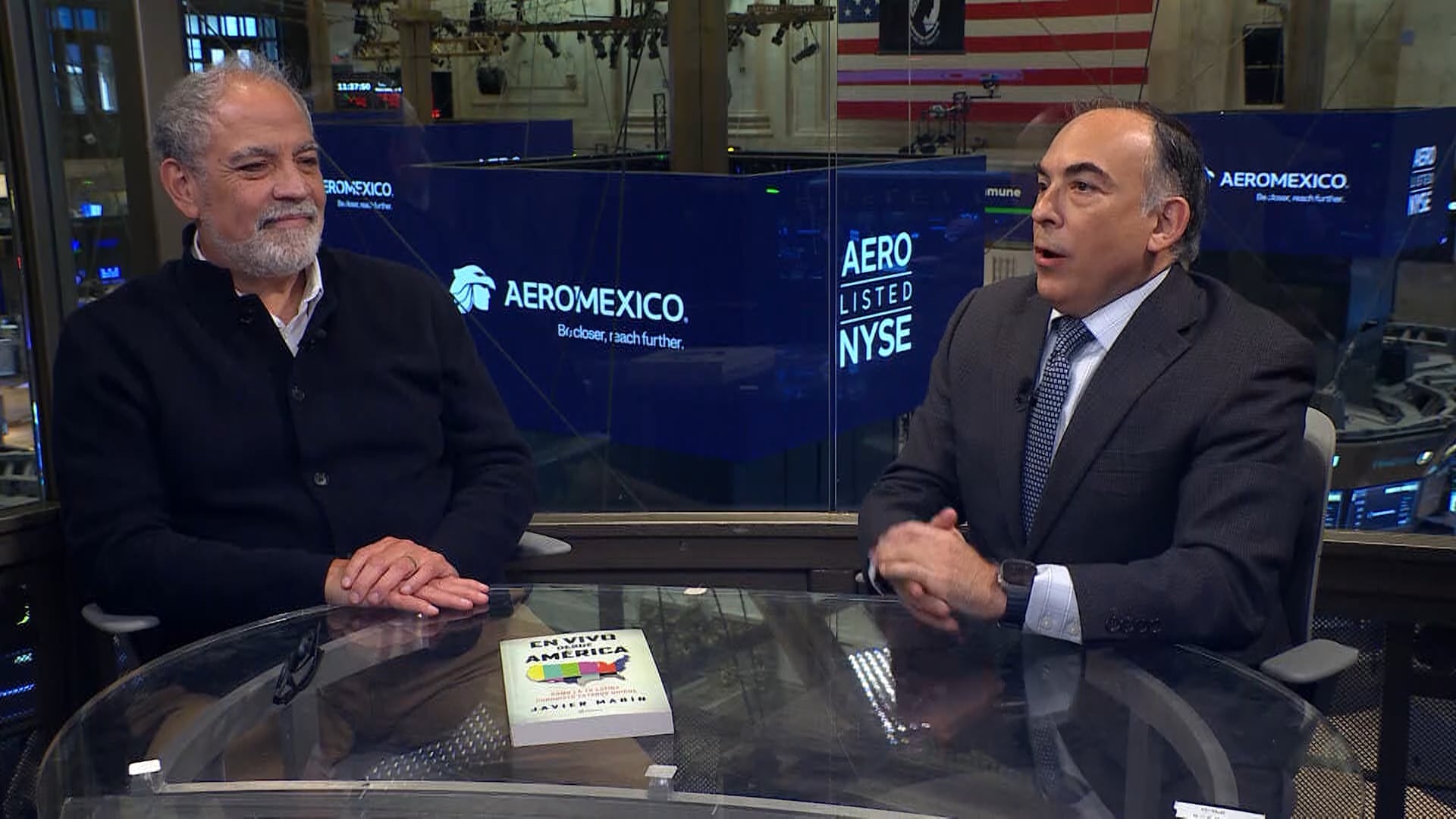
Leaders at the Bell with Javier Marin, Book Author, Live from America, Nov 06, 2025
CH 01
2-NYSE (Bilingue) Recap = Resumen Semanal = Nov 20, 2025
CH 01
1-NYSE (Bilingue) Recap = Resumen Semanal = Nov 13, 2025
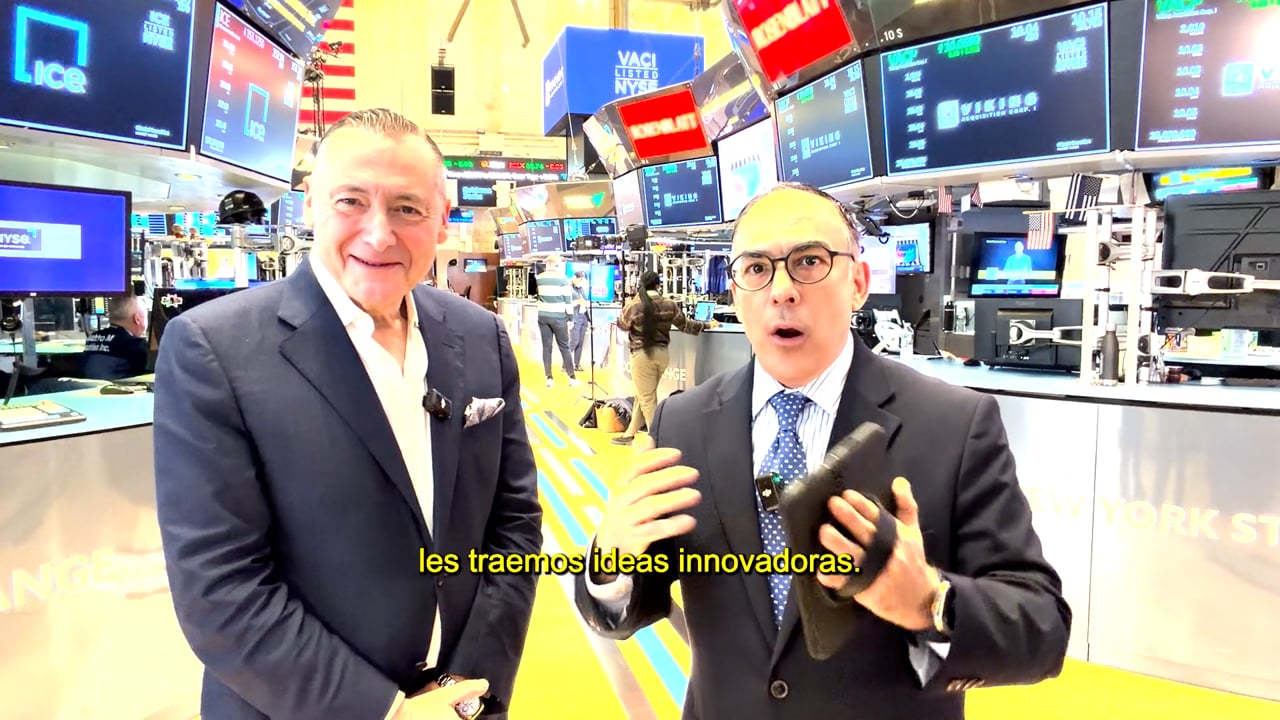
CH 02
Leaders at the Bell with Dan Wagner, CEO at Rezolve AI, Nov 20, 2025
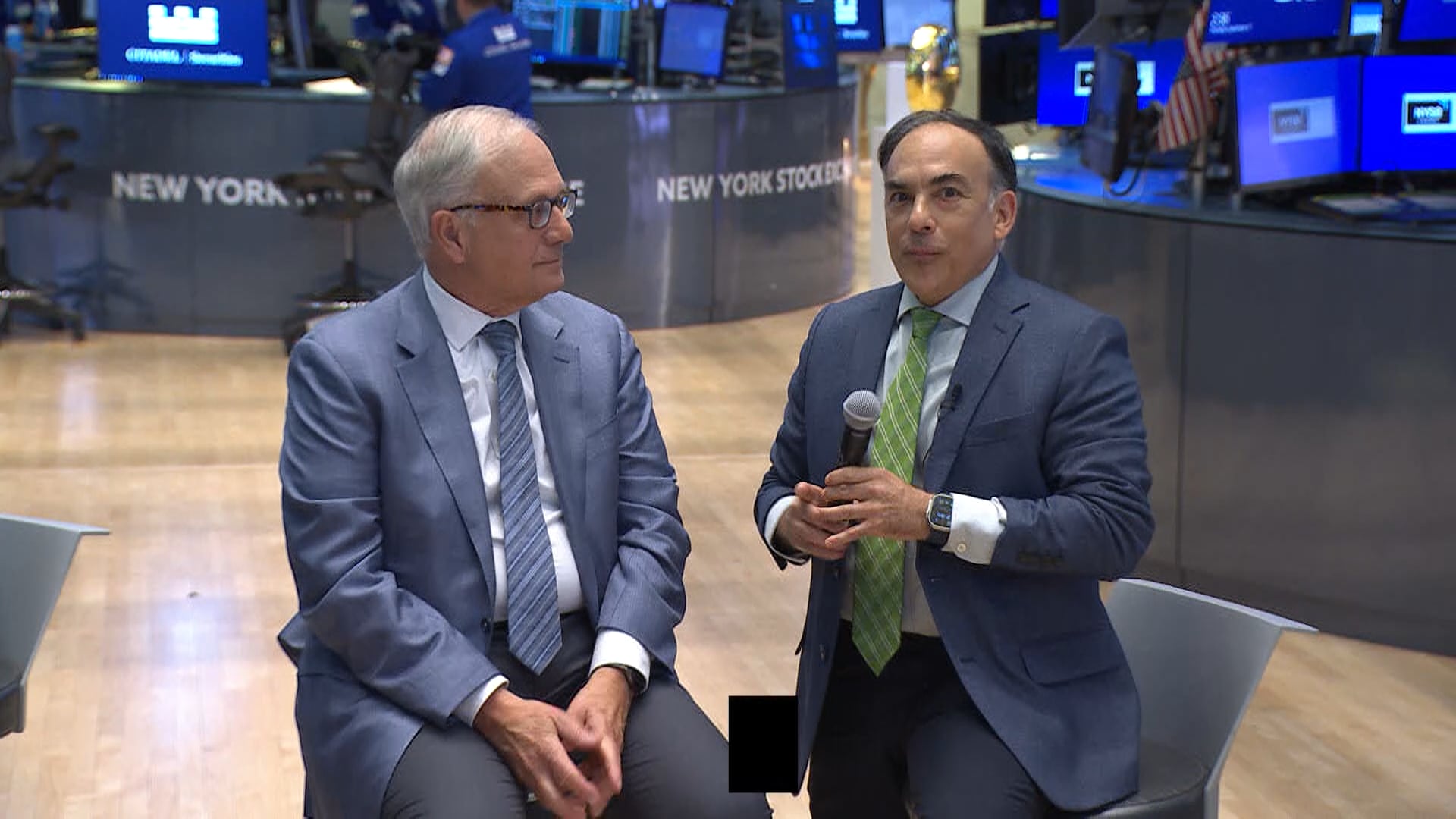
CH 02
Leaders at the Bell with Ed Yardeni, CEO at Yardeni Research, Sep 11, 2025
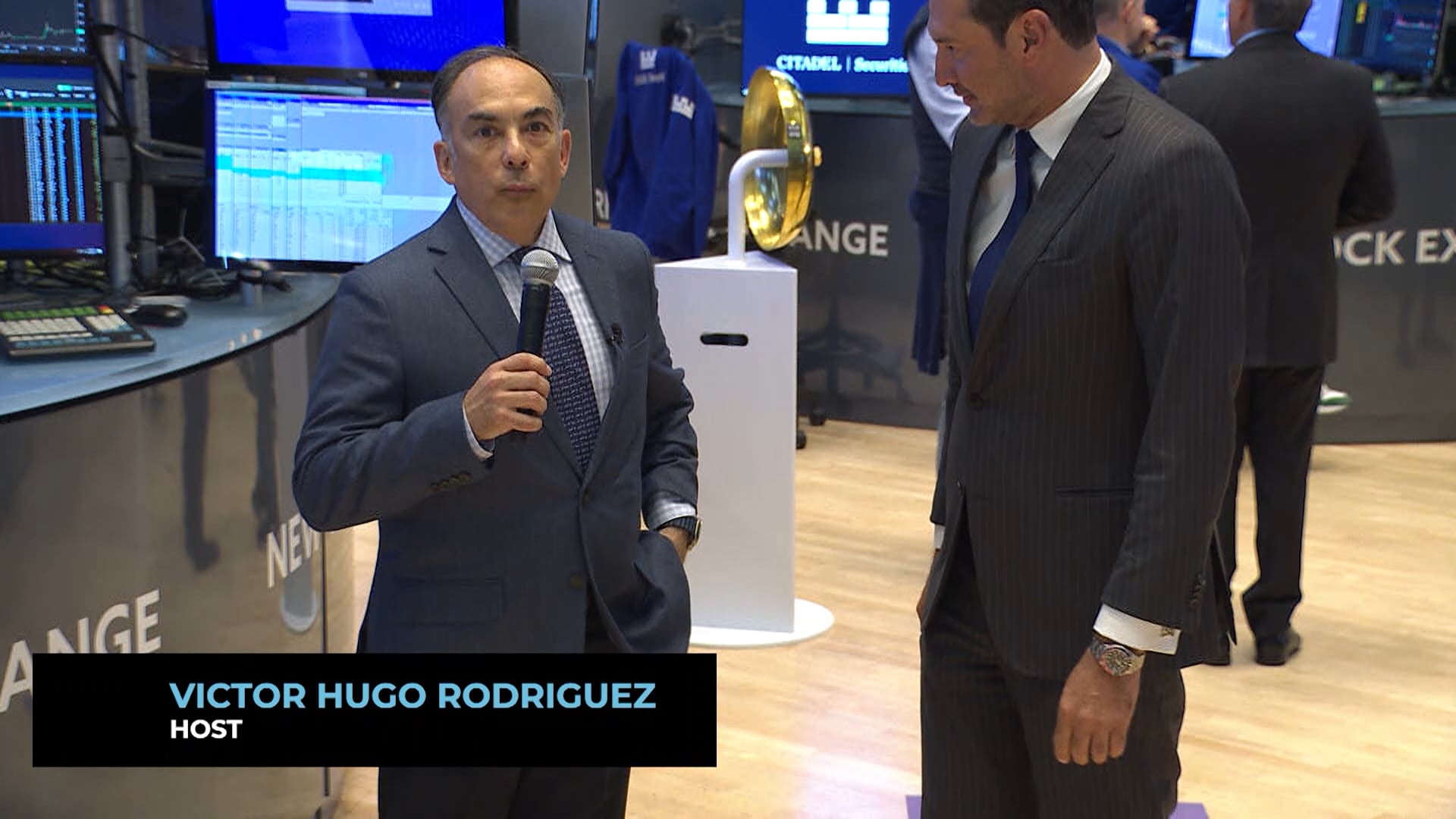
CH 02
Leaders at the Bell with Joseph Hernandez, CEO at SPAC Blue Waters, Sep 17, 2025
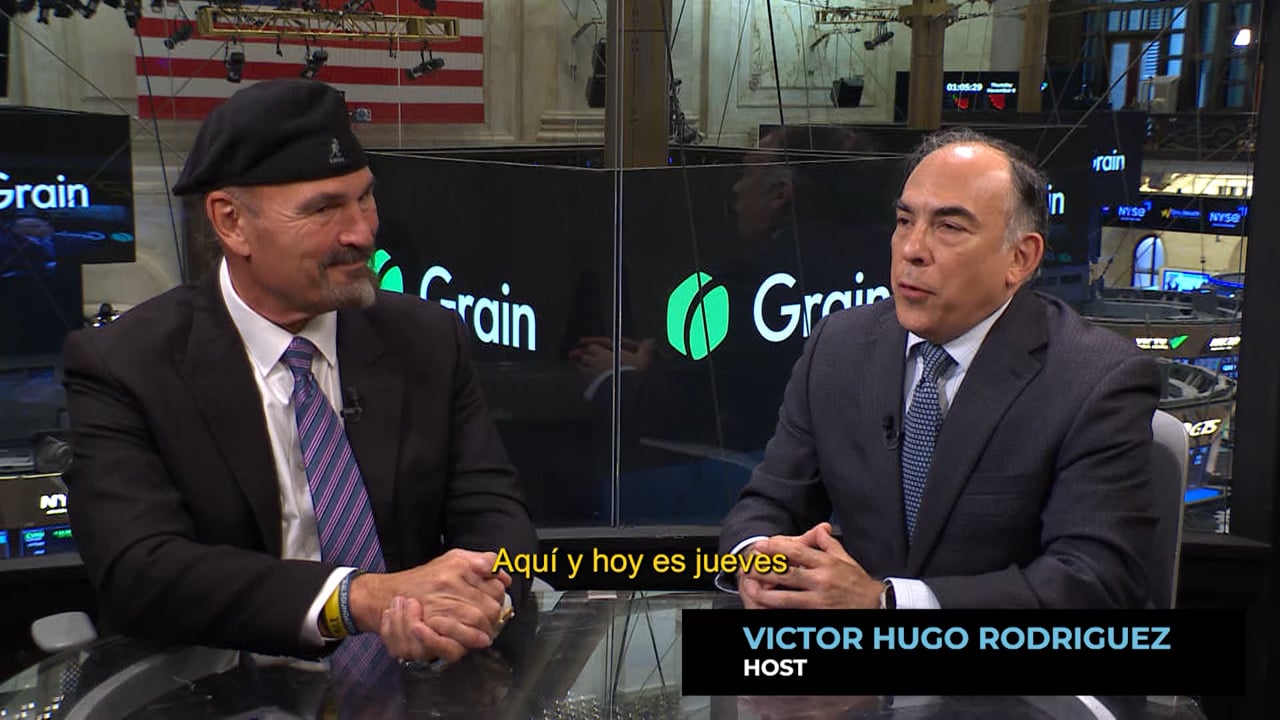
CH 02
Leaders at the Bell with Jon Najarian, Co-Founder at Market Rebellion, Nov 06, 2025
CH 02
Leaders at the Bell with Marc Lo Presti, CEO at MarketRebellion, Nov 05, 2025

CH undefined
FE MACRO + FOUNDERS

CH 04
Money Show in Miami with Tom Lee, CIO at FundStrat, May 16, 2025
CH 02
Leaders at the Bell with Mark Newton, Partner, Head of Technical Analysis at FundStrat, Oct 16, 2025
CH 02
Leaders at the Bell with Sue Phillips, CEO at Scenterprises, Oct 23, 2025
CH 02
Leaders at the Bell with Felipe Bayon, CEO at GEOPark, Oct 21, 2025
CH 02
Leaders at the Bell with Felipe Bayon, CEO at GEOPark, Oct 21, 2025
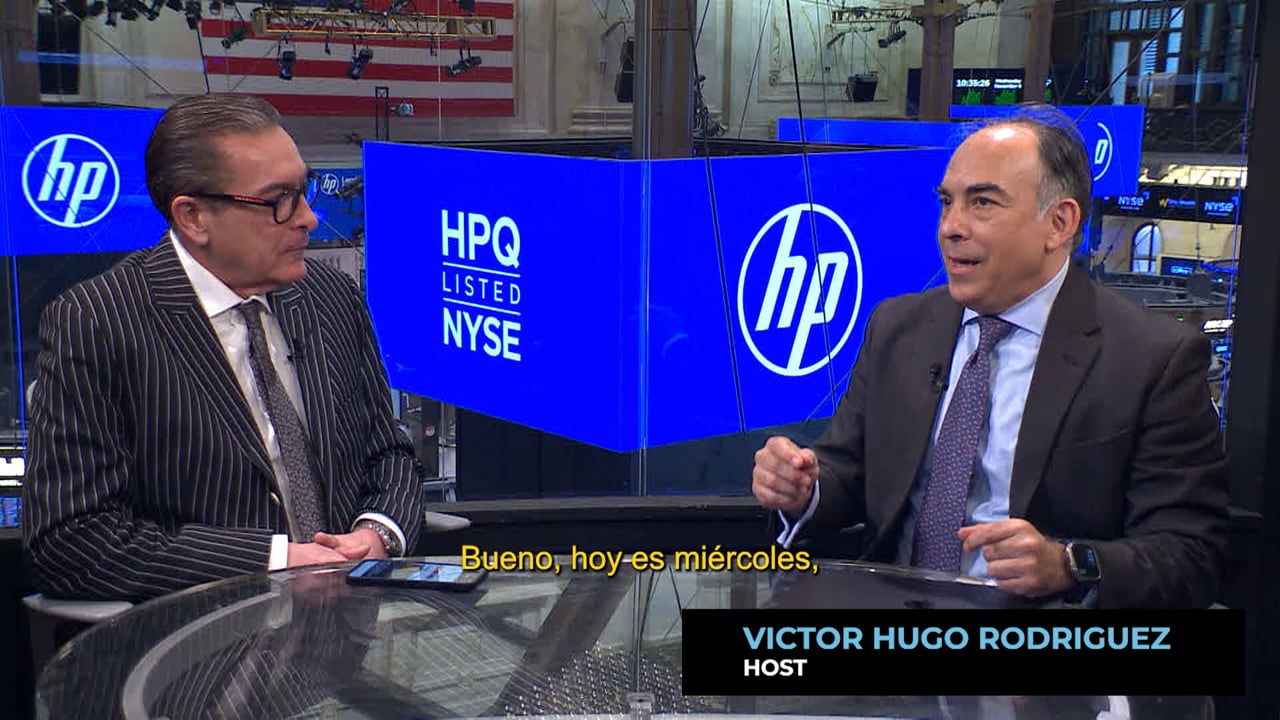
CH 02
Leaders at the Bell with Steve Alain Lawrence, CIO at Balfour Capital Group, Oct 27, 2025
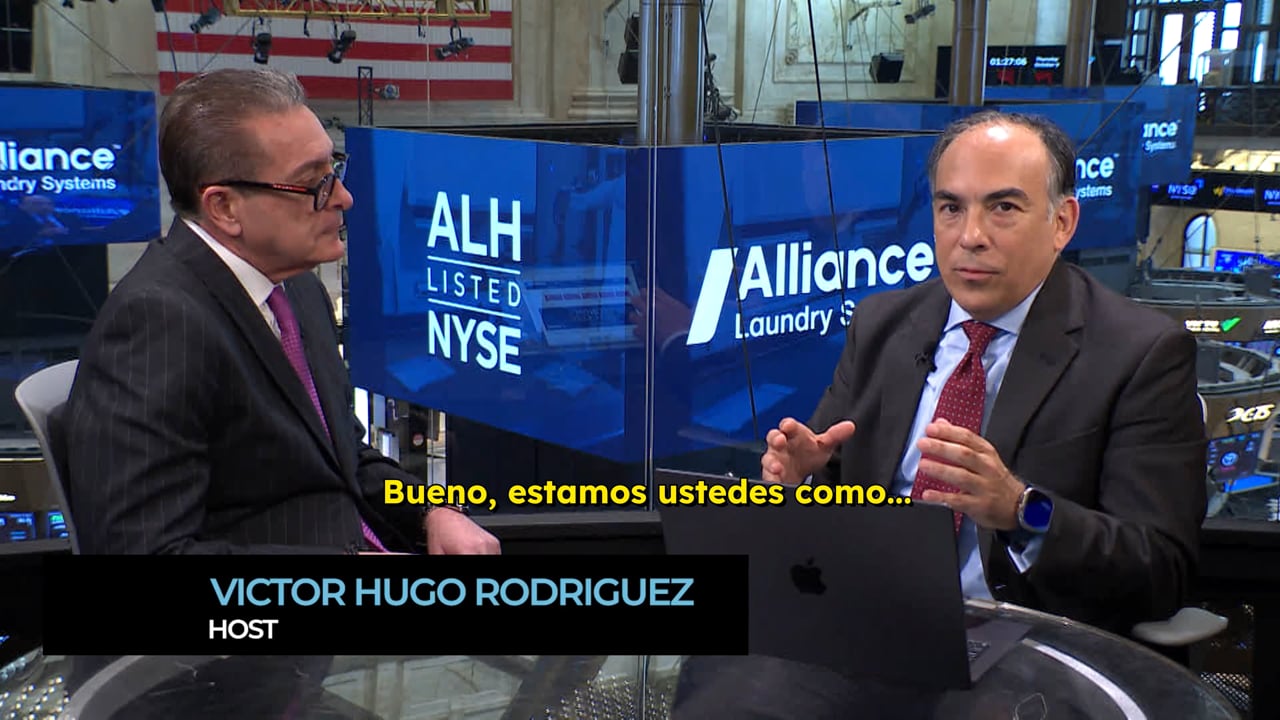
CH 02
Leaders at the Bell with Steve Alain Lawrence, CIO at Balfour Capital Group, Oct 09, 2025
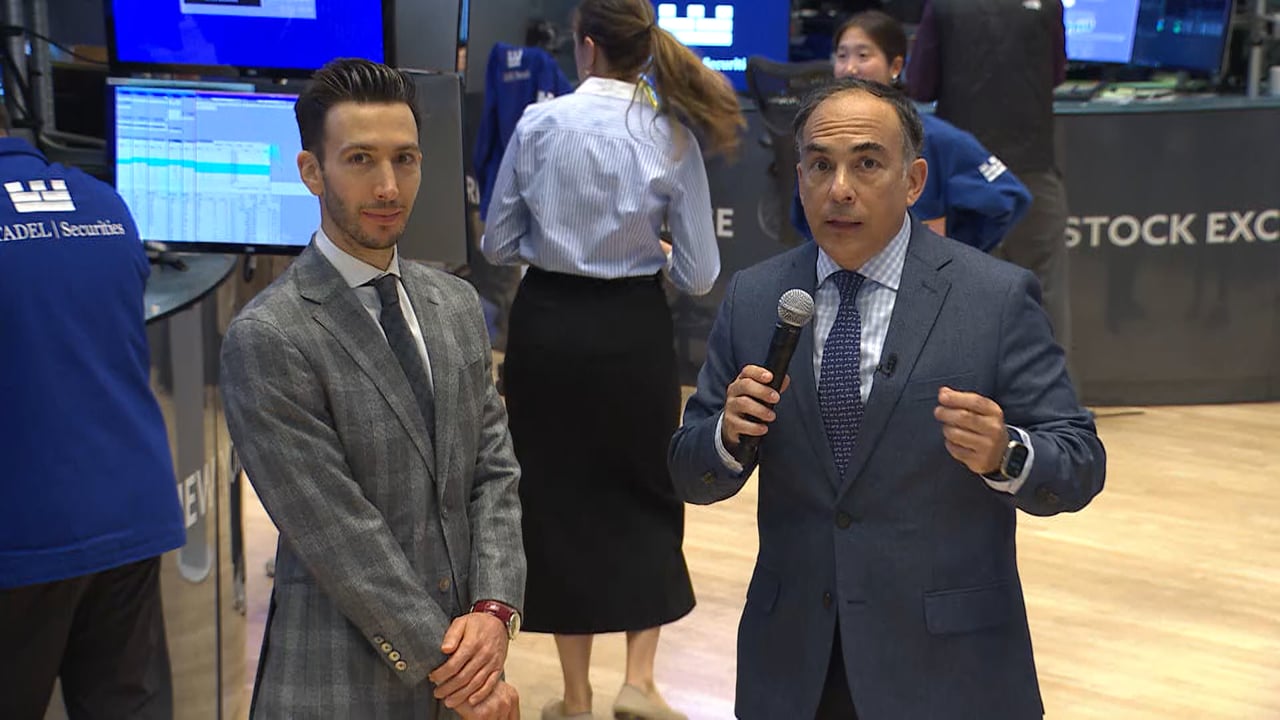
CH 02
Leaders at the Bell with Geoff Gottlieb, Member at Christie's International Real Estate, Sep 17, 2025
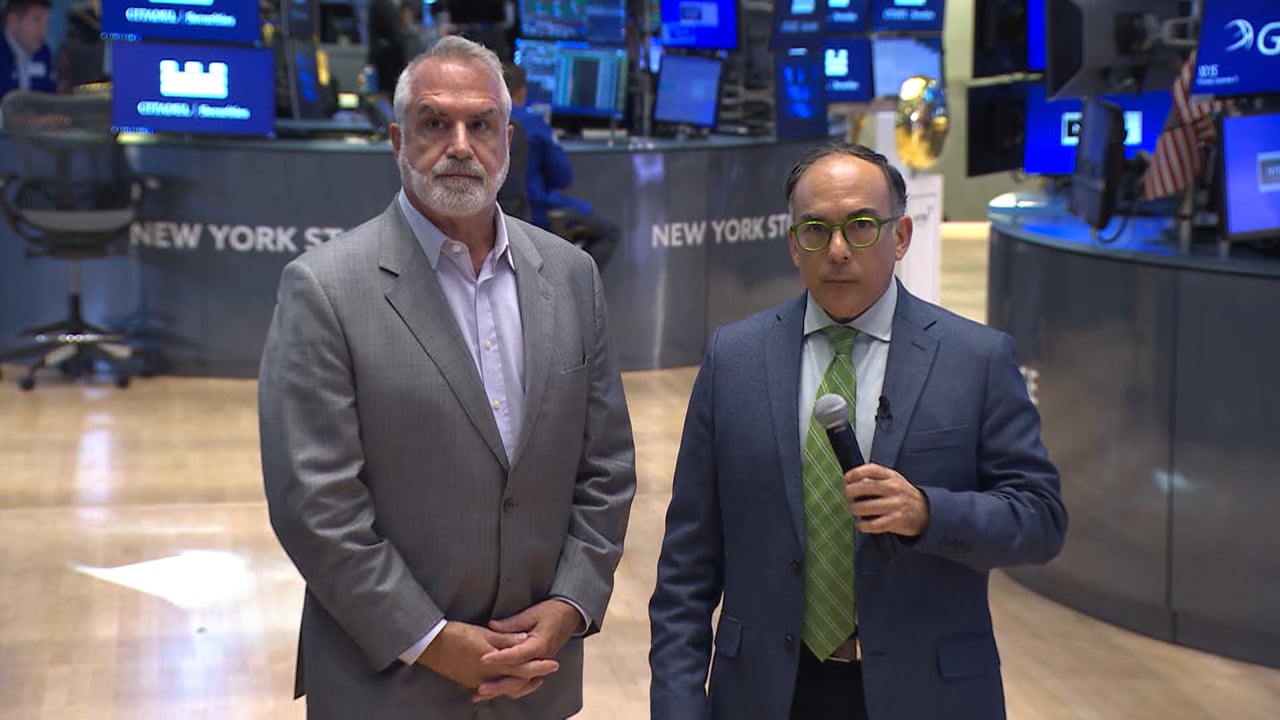
CH 02
Leaders at the Bell with Kenny Polcari, Chief Market Strategist at SlateStone Wealth, Sep 11, 2025
CH 04
Money Show in Miami with Heather Zumarraga, VP at Apex Group
CH 04
Money Show in Miami with Kathryn Rooney Vera, Chief Market Strategist at StoneX
CH 04
Money Show in Miami with Jim Bianco, President at Bianco Research
CH 04
Money Show in Miami with Dan Ives, Head of Tech Research at Wedbush Securities