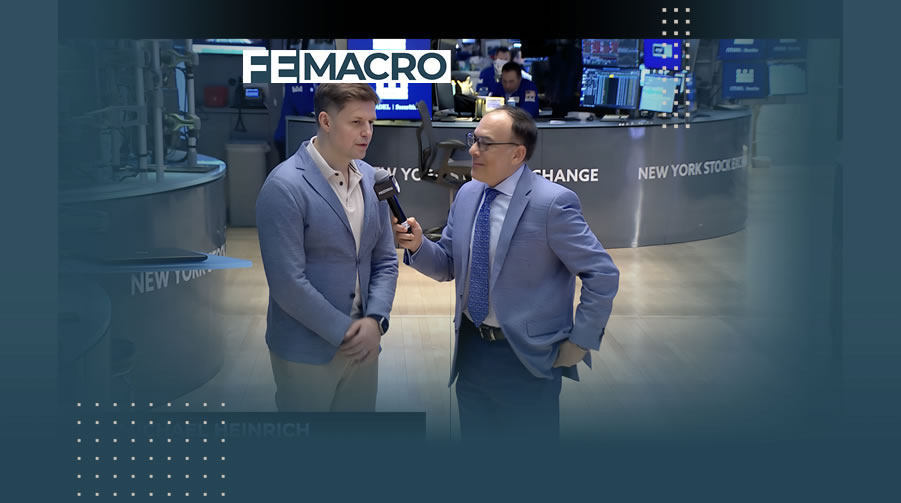
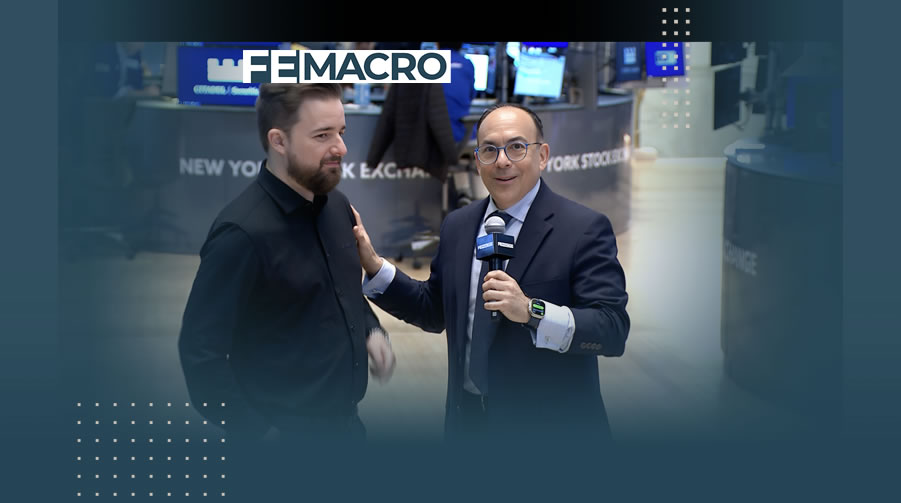
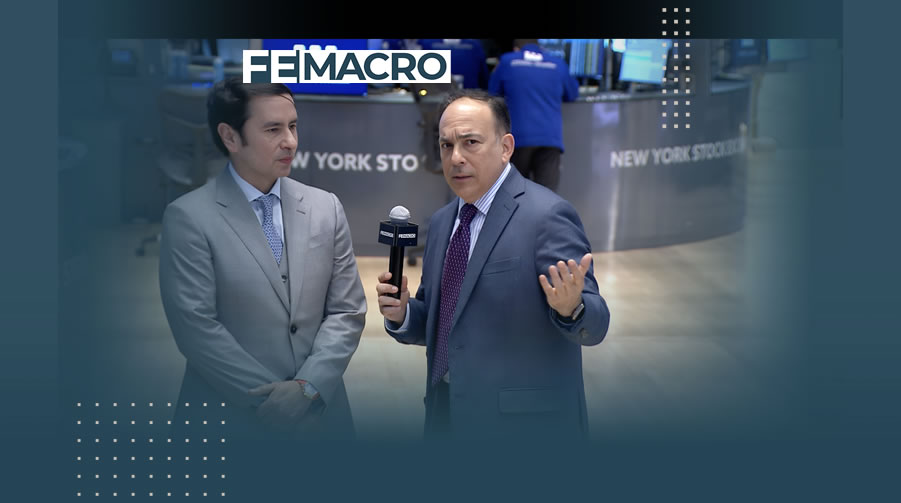
In this interview from the floor of the New York Stock Exchange, Michael Lee outlines a market shaped by geopolitical risk, rising energy costs, and accelerating AI-driven transformation. He emphasizes that the key macro variable is the Strait of Hormuz, as energy flows directly impact inflation and interest rates. Recent increases in oil and fuel prices are already pushing inflation expectations higher and could delay any meaningful rate cuts.
Lee warns that higher energy costs may slow what was otherwise a strong economic trajectory, while also creating pressure on consumers and GDP growth. At the same time, he highlights a growing tension between inflation and monetary policy, particularly as rising costs conflict with political pressure for lower rates.
Despite near-term risks, he remains constructive on AI as a structural growth driver. He points to companies like Nvidia and Palantir as beneficiaries of increased demand for data, defense technology, and automation—especially in a world shaped by geopolitical conflict. However, he also cautions that AI could create short-term labor disruption due to the speed of adoption.
On markets, Lee advocates using volatility as an opportunity, particularly in high-quality tech names trading below historical multiples. He sees current weakness as temporary, with a strong probability of higher markets over a 12–24 month horizon.
Regarding private credit, he acknowledges risks but does not view it as a systemic crisis. Instead, he sees potential dislocations creating opportunities for well-capitalized investors.
Overall, Lee frames the environment as challenging in the short term but highly constructive long term, driven by energy normalization, AI expansion, and geopolitical realignment.