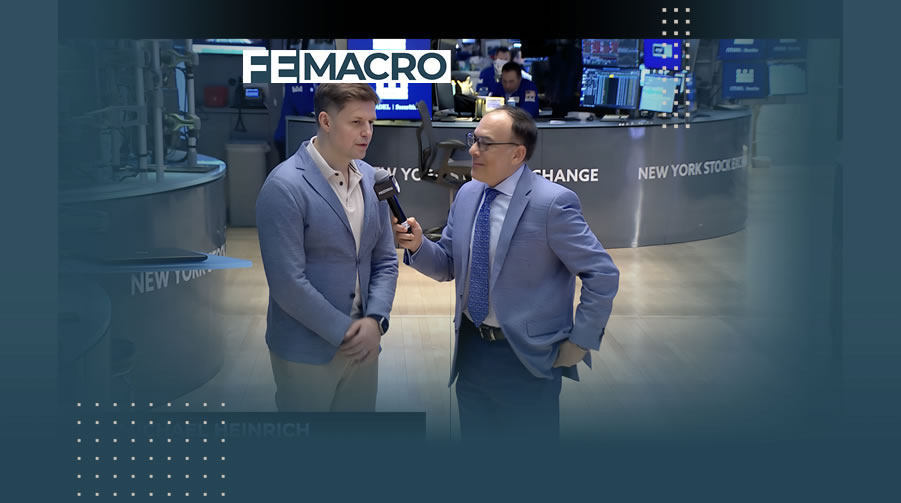
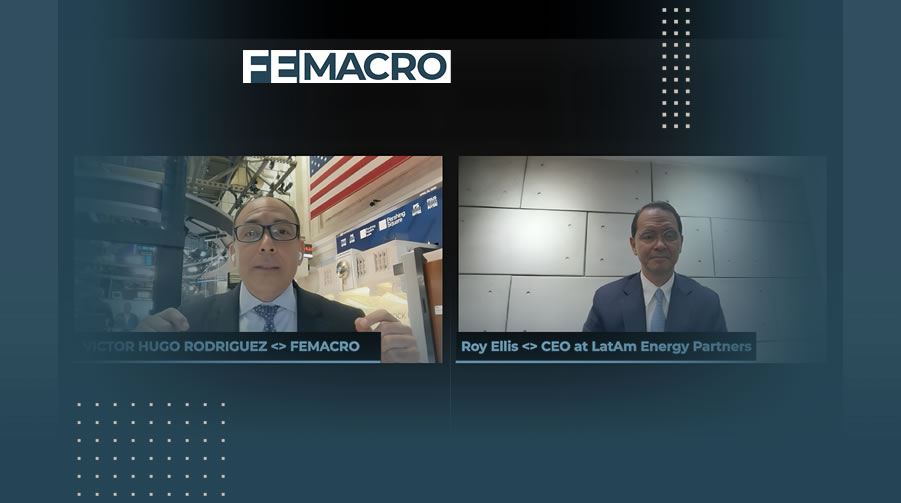
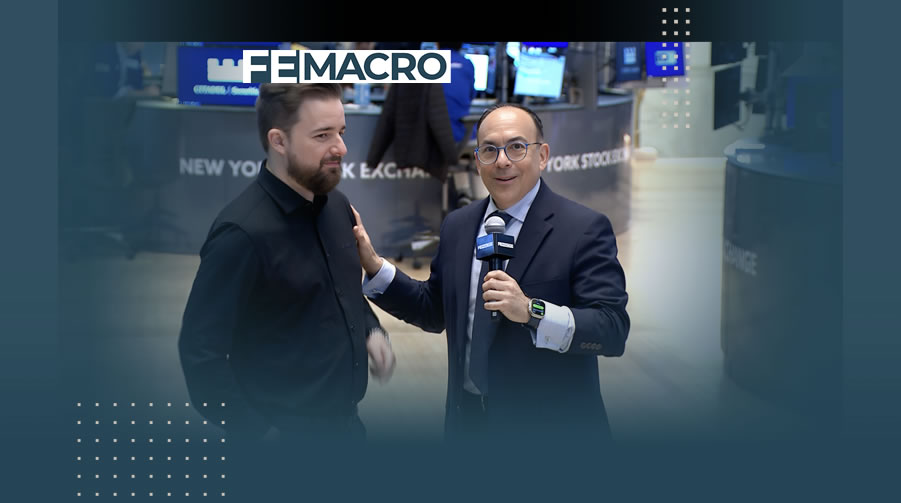
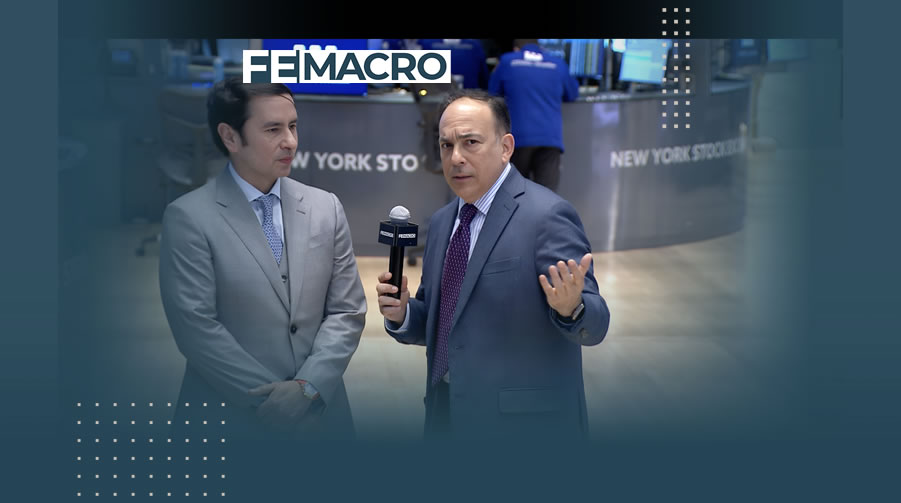
In this interview from the floor of the New York Stock Exchange, economist Steve Moore outlines a macroeconomic outlook driven primarily by geopolitical tensions and energy markets. He emphasizes that the conflict in the Middle East, particularly involving Iran, has sharply increased oil prices—rising from under $60 to over $100 per barrel—creating inflationary pressure across the global economy. Because energy is embedded in all production, elevated oil prices directly impact costs, consumption, and growth.
Moore argues that the key variable for economic recovery is a normalization of oil prices, which he expects could return to the $60–$70 range within months, potentially triggering a strong rebound in the second half of the year. On monetary policy, he notes uncertainty, as inflationary pressures from energy clash with emerging deflationary forces from artificial intelligence.
On AI, Moore is notably optimistic, describing it as one of the greatest productivity revolutions in history. He argues it will lower costs, increase efficiency, and ultimately reduce inflation, despite short-term concerns about job displacement. Drawing historical parallels, he suggests technological change will reshape—not eliminate—employment.
He also highlights structural issues such as U.S. deficits and political uncertainty ahead of midterm elections, which could limit policy execution. However, he remains cautiously optimistic, citing tax cuts, deregulation, and long-term strength in U.S. equities as key supports.
Overall, Moore frames the current environment as volatile but full of opportunity, with energy prices and technological progress defining the path forward.